



By Agbai Sharonjoyce
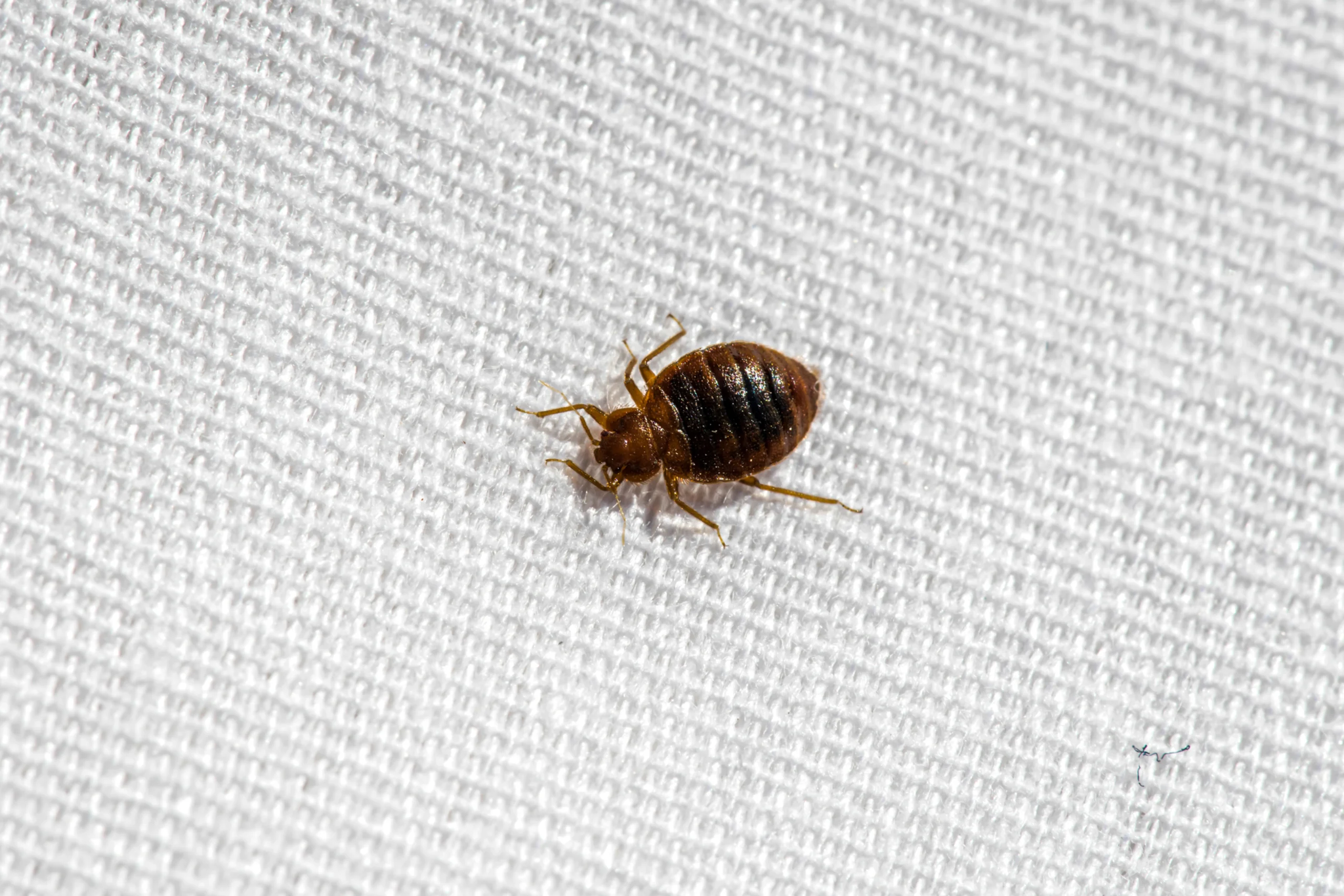
Bedbugs are tiny, reddish-brown insects about the size of a seed. They have flat bodies and no wings. These pests usually come out at night to feed on the blood of people and animals.
Although bedbug bites are not known to transmit diseases to humans, they can cause intense itching, skin irritation, allergic reactions, and sleep disruption.
Bedbugs cannot fly or jump. Instead, they spread by hiding in items such as clothing, furniture, bedding, and suitcases. When people unknowingly carry these items from one place to another, the bugs are transported as well—this is known as passive dispersal.
Contrary to popular belief, bedbugs are not attracted to dirt. They can survive in both clean and cluttered environments.
Detecting bedbugs can be difficult because they hide in dark, narrow spaces. They can squeeze into cracks as thin as a credit card. To spot them, use a bright flashlight to inspect mattress seams, bed frames, and dark corners.
Small dark spots on bedsheets or mattresses may be bedbug droppings, which are made of digested blood. You may also notice shed, transparent skins left behind as the bugs grow. In severe infestations, a room may develop a sweet or musty odour.
When bedbugs bite, you may not feel it right away because they inject a numbing substance while feeding. Bite marks often appear days later as red, itchy bumps, commonly arranged in a line or small cluster.
Ways to eliminate them
If you discover bedbugs, try not to panic. They can be eliminated, but it requires effort, patience, and consistency.
One of the most effective methods is heat. Wash infested clothing and bedding in hot water and dry them on the highest heat setting for at least 30 minutes. Items can also be dried under direct sunlight, as prolonged heat helps kill both bugs and their eggs.
Vacuuming is another helpful step. Thoroughly vacuum floors, mattresses, bed frames, and furniture. After vacuuming, seal the vacuum contents in a bag and dispose of it immediately in an outdoor bin to prevent reinfestation.
If the infestation continues, consider contacting a professional pest control service. Experts have specialised tools and techniques to reach hidden areas. Some treatments involve using powerful heaters to raise room temperatures high enough to kill bedbugs and their eggs.
You can also use specially designed mattress and pillow encasements. These covers trap any remaining bedbugs inside, preventing them from feeding until they eventually die. Interceptor traps placed under bed legs can help catch bugs as they crawl and also help monitor infestation levels.
Many people rely on store-bought bug bombs or foggers, but these are often ineffective. Such products rarely reach the small cracks where bedbugs hide, and many bedbugs are resistant to common pesticides. Foggers may also pose health risks and can cause the bugs to spread deeper into other areas of the home.
Conclusion
Bedbug infestations can be frustrating and stressful, but understanding how these pests spread and how to eliminate them makes the problem more manageable.
With early detection, thorough cleaning, and the right treatment methods, infestations can be successfully controlled.
Regular inspection and prompt action are crucial to preventing a small problem from becoming a major one. By understanding how bedbugs live and move, you can better protect yourself, your household and your belongings, keeping your home safe and comfortable.
Summary not available at this time.