



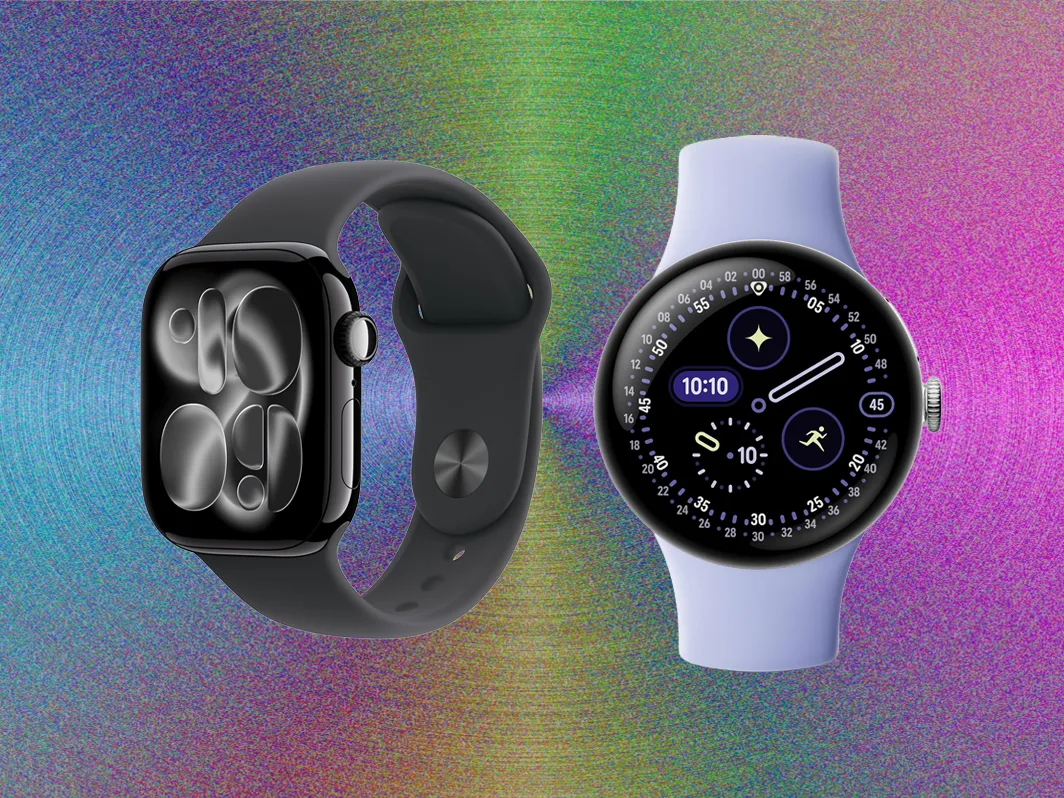
Nigeria’s watch market is surging, with an expected annual growth rate of 8.36% between 2025 and 2030. Millions of Nigerians are strapping digital health monitors to their wrists, transforming how they manage their health.
But as this technology revolutionises healthcare, it brews critical questions. How accurate are these diagnoses? At what cost does this constant self-surveillance come?
Globally, over 454 million people use smartwatches, with the market valued at $35.29 billion in 2024 and projected to grow at a 10.05% annual rate.
More tellingly, 92% of smartwatch users worldwide turn to these devices primarily for fitness and health tracking. The devices flooding Nigerian markets range from premium offerings like the Apple Watch Series and Samsung Galaxy Watch to budget-friendly options.
Healthcare providers across Nigeria report increasing numbers of patients arriving with smartwatch data, transforming the dynamics of patient care.
What smartwatches actually do?
Modern smartwatches use photoplethysmography: shining green LED light through your skin to measure blood flow changes with each heartbeat.
Studies show premium devices can achieve 96% sensitivity in detecting sleep versus wake states and provide reasonably accurate heart rate measurements during rest and moderate exercise.
The technology has proven particularly valuable for detecting irregular heart rhythms. Leading smartwatches have been proven to accurately identify atrial fibrillation, a condition that quintuples stroke risk.
The Apple Watch particularly can detect abnormal heart rhythms, with up to 95% sensitivity, compared with clinical-grade equipment
Modern smartwatches offer an impressive range of capabilities, from monitoring heart rate to tracking sleep stages and quality.
They also record electrocardiograms, monitor stress levels through heart rate variability, detect hard falls and call emergency services, track dozens of workout types, provide GPS navigation, make contactless payments, send and receive calls and messages, set medication reminders, play music, control smart home devices and even measure skin temperature and respiratory rate.
Some advanced models now include blood pressure monitoring, blood glucose tracking and UV exposure alerts, essentially providing round-the-clock insights into the overall body’s functions.
Limitations
For all their capabilities, smartwatches pale in comparison with clinical infrastructure. Factors like arm position, ambient temperature, tattoos, skin tone—and even nail polish—can impact readings.
While some have received FDA clearance in the United States, most smartwatch health features fall into a regulatory grey area classified as wellness rather than medical.
Healthcare professionals have stressed that smartwatches function as early-warning systems rather than diagnostic tools. They generate data—but mostly without clinical context. An elevated heart rate might indicate cardiovascular stress or simply be the result of a strenuous activity.
As smartwatches continuously collect intimate physiological data, they also raise privacy concerns.
A 2025 systematic analysis of privacy policies from 17 leading wearable manufacturers revealed alarming inconsistencies, with 76% showing high-risk ratings for transparency reporting.
On the dark web, healthcare data records sell for as high as $250 each, nearly 50 times more valuable than credit card information. A recent security incident exposed over 61 million fitness tracker records.
The psychological cost
Perhaps the most surprising consequence of widespread smartwatch adoption has been its impact on mental health. In 2017, sleep researchers coined the term orthosomnia, an unhealthy obsession with achieving perfect sleep based on tracking device scores.
Sleep clinics began reporting patients arriving not with complaints of tiredness but with anxiety about their smartwatch sleep data. Despite sleeping soundly, these individuals fixated on scores, graphs and percentages, convinced that something was wrong because their device indicated suboptimal readings.
Research shows that about one-third of Americans now use devices to track sleep, with concerning patterns emerging: checking sleep data first thing in the morning or even during the night, feeling anxious when readings are suboptimal, being unable to sleep without the tracker, making drastic lifestyle changes based solely on device metrics, and experiencing mood changes directly tied to sleep scores.
Studies on patients with diabetes using continuous glucose monitors revealed similar patterns: constant data availability created worry, psychological distress and obsessive behaviours – a condition researchers have termed “data anxiety.”
Finding balance
Premium devices offer more features and typically better accuracy, but mid-range or budget options may suffice for basic tracking. It is essential to research independent studies—not just manufacturer claims—and read privacy policies to understand what data is collected.
Using your device effectively requires perspective. View it as a trend tracker, not a diagnostic tool. Use your smartwatch to identify patterns over time rather than obsessing over individual readings.
Trust your body first: if you feel fine but your watch says otherwise, trust your physical sensations and consult a healthcare provider. Set realistic goals and take regular breaks by considering a weekly device-free day to reconnect with your body’s natural signals.
Share meaningful patterns with doctors rather than overwhelming them with raw data dumps.
Consult a healthcare provider if your smartwatch alerts you to irregular heart rhythms, persistently low blood oxygen levels below 90%, or unusual patterns in resting heart rate.
Acute symptoms like severe chest pain, shortness of breath, sudden weakness or loss of consciousness require immediate emergency care.
Balance is key, however. For all their manifold functionalities, smartwatches cannot capture the full context of health history, current life stressors, or the qualitative aspects of wellbeing that matter most.
Summary not available at this time.