



By Agbai Sharonjoyce
Over the years, as demand has soared, public-transportation systems have advanced digitally, adopting an electronic method of payment, particularly in Western cities. Digital ticketing leverages technologies such as mobile applications, contactless cards and QR codes.
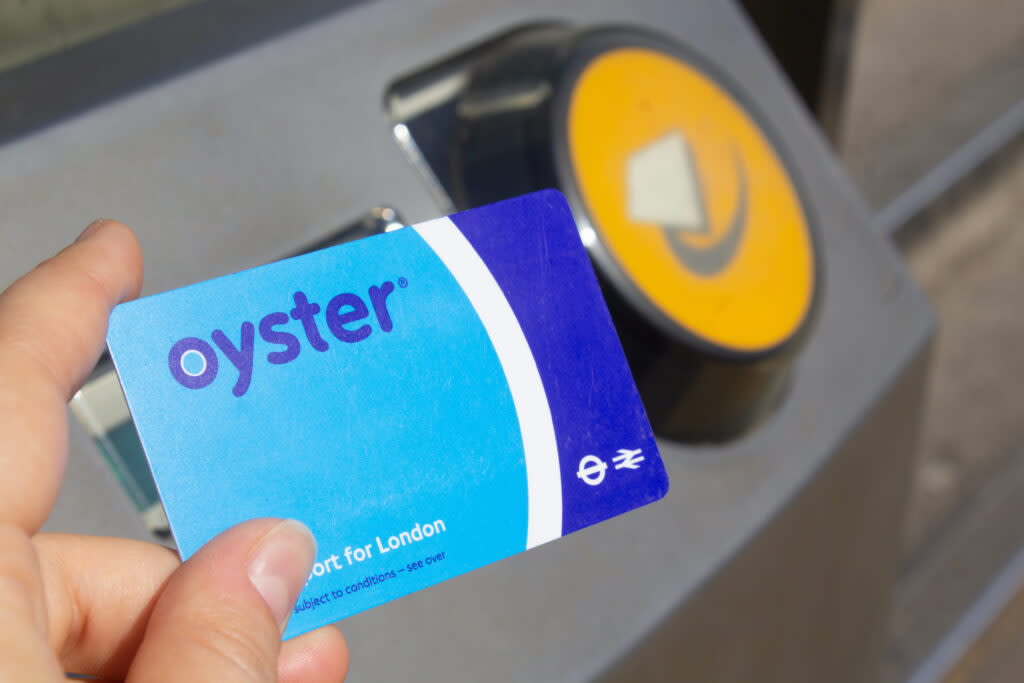
Although the idea of digital ticketing started in the 1990s, it was London’s Oyster card, introduced in 2003, that showcased its potential. The reusable, contactless card enabled passengers to load money onto it and board public vehicles by a simple tap. The Oyster card quickly won commuters over, and by 2013, it accounted for 85% of all travel payments in London.
The COVID-19 pandemic accelerated this transition, as physical tickets and cash transactions were deemed risky. Contactless payments became a safer alternative.
The shift ushered in newer options, such as mobile-ticketing apps and digital wallets like Apple Pay and Google Pay.
Digital ticketing typically relies on secure technologies like Near Field Communication (NFC) and digital passes, which ensure unique identification, reduce fraud and improve revenue tracking.
The benefits of digital ticketing
In the post-pandemic period, digital ticketing allowed operators to create various pricing models, subscription plans and pay-as-you-go options. Digital ticketing offers a range of benefits that make urban transportation smoother and more sustainable. It comes with ease and convenience.
Passengers no longer need to wait in line at the sales counter. The tap-and-go system reduces the crowds at entry points, speeding up boarding processes. Frequent travellers can also enjoy discounts.
Automation slashes paper use and printing expenses. This is beneficial to the environment, as energy consumption and waste are drastically reduced. A downside of this, however, is that it offers fewer manual roles, raising concerns about job displacement.
Each time a card or mobile app is tapped, it collates key information—such as travel trends, peak periods, route pressure—that helps transport authorities improve scheduling, deploy resources effectively and manage rush-hour traffic more effectively.
Building smart cities
The shift towards smart ticketing is revolutionising public transport not only in Europe and North America but increasingly across Africa, where more countries are adopting digital-fare systems.
The technology offers practical solutions to longstanding problems like overcrowding, revenue leakage and insecurity at transit points.
By replacing paper tickets and long queues with seamless digital payments, African cities can build more efficient and inclusive transport systems that support mobility and drive development. Digital ticketing is more than just convenience—it paves the way for a smarter and more resilient urban transportation system.
Summary not available at this time.