



In recent years, Nigeria’s agricultural export sector has experienced extraordinary growth. In the first quarter of 2025, agricultural exports soared to N1.7 trillion, marking a 64.65% increase from the same period in 2024.
Cocoa beans dominated with over N1.2 trillion in exports, while cashew nuts contributed N158 billion and sesame seeds added N128 billion to national coffers.
The country exported 246 different products in 2024, totalling 7.291 million metric tonnes, with agricultural commodities, semi-processed goods and manufactured products demonstrating Nigeria’s expanding export basket.
Beneath this impressive coup is a troubling reality, however. Most of Nigeria’s farmers produce primarily for local consumption, without the knowledge, certification and market access to tap into lucrative international markets that offer higher prices for quality agricultural commodities.
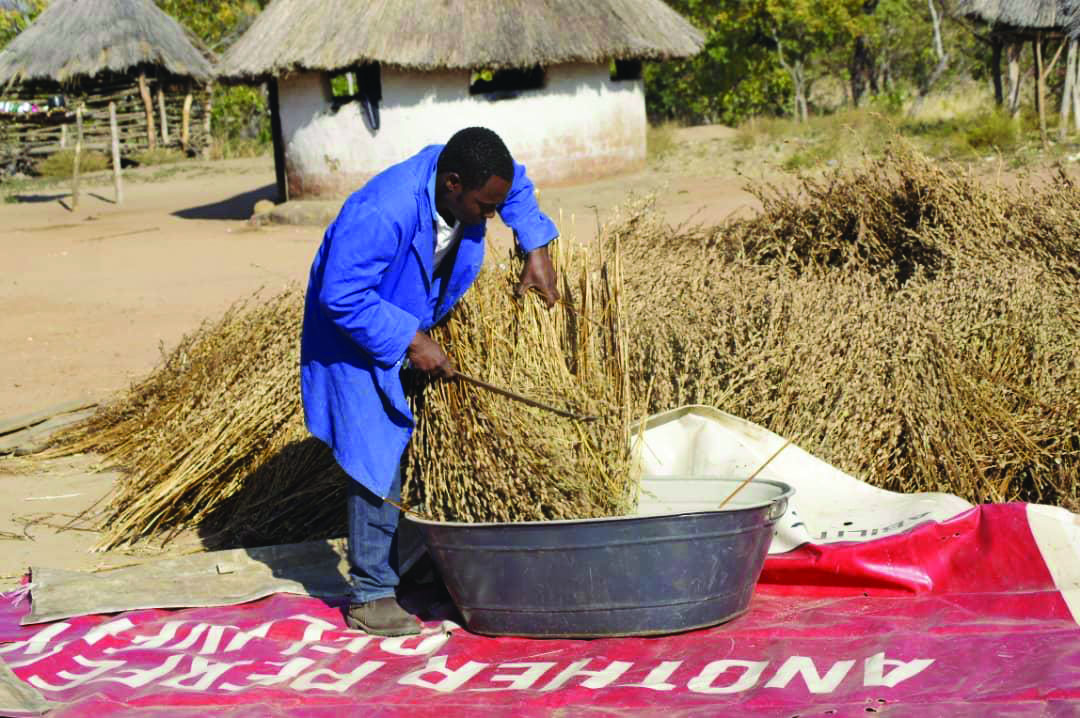
Adamawa state cultivates sesame, ginger, groundnuts, and soybeans across vast acreages, positioning it among Nigeria’s 26 sesame-producing states with substantial output.
Despite this production capacity, Adamawa farmers mostly practise subsistence agriculture and are exploited by middlemen while trying to sell locally.
What’s more, the Boko Haram insurgency has disrupted farming activities, displacing communities and destroying infrastructure.
Recent developments signal a strategic shift, however. The Adamawa State government, in partnership with the Nigeria Export Promotion Council, has trained smallholders across the state on producing high-quality agricultural commodities for export markets.
The programme targeted crops such as sesame, groundnut, hibiscus, soybeans and ginger—which all have strong international demand. Beyond training, the state subsidised export certification fees for 150 small and medium enterprises, eliminating a huge barrier that limits farmers from accessing export markets.
Additionally, participants received essential farming inputs, including herbicides, knapsack sprayers, boots and other tools to boost production quality and volume.
The programme is part of the States Action on Business Enabling Reforms, a World Bank-assisted initiative promoting sustainable economic diversification by strengthening the non-oil export sector.
This structural approach recognises that agricultural export development demands systematic capacity building among farmers, processors and potential exporters combined with policy reforms enabling market access.
The initiative aims to stimulate sustainable growth of the agri-food export sector by equipping participants with knowledge of international quality standards, certification processes, proper post-harvest handling, packaging requirements and export documentation procedures that determine whether products succeed or fail in global markets.
This holds economic promise. Sesame seed exports rose to $13,877 million in 2022, fuelled largely by demand from Japan, China and Turkey.
While ginger exports command premium prices in Europe and North America, hibiscus flowers find ready markets in Mexico and European countries, where they are used in beverages and medicine.
Training farmers to meet international quality standards and facilitating export certification is an essential stride to capture significantly higher returns.
The federal government’s recent $2.2 billion allocation through the African Development Bank for Special Agro-Industrial Processing Zones signals a high-level commitment towards export-driven agriculture.
But challenges persist. Inadequate infrastructure and limited access to credit continue to constrain productivity and market access.
International buyers demand reliability, quality consistency, proper certifications and timely delivery—requirements that are lacking in the country’s agricultural chain.
Nevertheless, this initiative positions Adamawa as a competitive supplier of premium agricultural commodities in global value chains.
Summary not available at this time.