



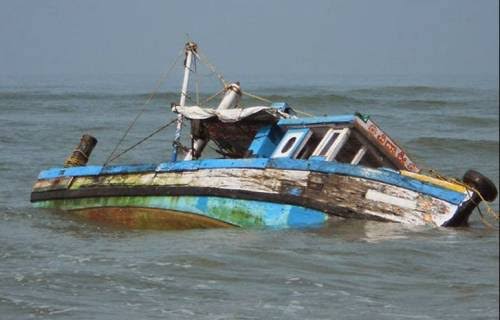
Boats are a common means of travel and commerce in Nigeria’s riverine communities, despite their manifold risks.
Cases of mishaps have recently been reported in recent months. Annual reports of boat crashes in Nigeria highlight a pattern of lax safety protocols.
For example, many recent boat accidents have been traced to overloading and the absence of life jackets.
Yet this pattern resonates nationwide. Weak enforcement of water-transport regulations amplifies these risks, lowering the potential of Nigeria’s waterways as a relatively cheaper transportation corridor.
To address this challenge, Kwara State has introduced a strict policy of “no life jacket, no entry” across all its waterways.
This action could prove transformative. The state has since doled out hundreds of thousands of life jackets to riverine communities in a bid to tamp down the number of casualties during accidents.
The policy is complemented by safety demonstrations and sensitisation campaigns on how to properly use the gear.
National safety reforms against boat mishaps
These efforts mirror a broader pattern across Nigeria. Lagos and Bayelsa have also distributed safety jackets to boat operators, enforcing life-saving regulations across their waterways.
Beyond Nigeria, countries like Uganda have made life jackets compulsory on inland waterways, resulting in a marked reduction in drownings.
These examples show that consistent enforcement—not just distribution of equipment—is vital to making waterways safer.
However, some problems abound. The availability of life jackets is often uneven across remote clusters of communities, especially during peak farming and fishing seasons.
Monitoring compliance in widely dispersed riverbanks requires more personnel and equipment than most states currently have.
Some operators may resist new rules because enforcement slows their turnaround time or reduces passenger load. Without significant expenditures for infrastructure, such as enhanced docking facilities, warning systems or fortified riverbanks, safety initiatives might produce short-term outcomes.
By minimising risks which are easy to resolve, increasing availability of safety equipment and ensuring adherence to common regulations, Kwara is creating a blueprint for other riverine areas to emulate.
Beyond preventing disasters, the new policy improves transport and economic resilience for those that depend on the river on a day-to-day basis for survival.
Summary not available at this time.