



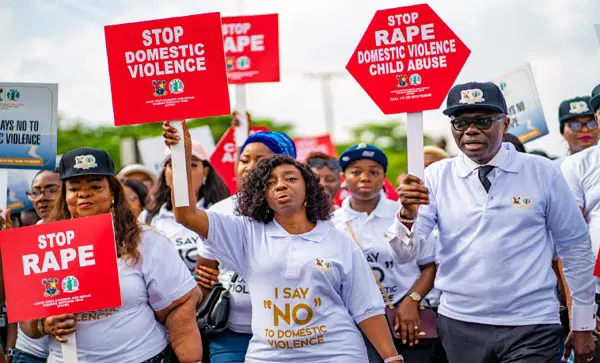
Gender-based violence (GBV) remains a deeply persistent crisis. Recent data from Ogun State reinforces the reality that GBV is not an isolated occurrence but a structural challenge embedded within social norms and weak protection systems.
In the last 11 months, state-level reporting channels recorded more than 500 cases, including sexual assault, domestic violence, child abuse, digital harassment and intimate partner violations.
While improved reporting contributes to these rising figures, the numbers also highlight entrenched vulnerabilities facing women, children and other dependants.
The gap between reported cases and completed legal outcomes exposes weaknesses in prosecution, case management, and survivor support—which continue to hamper accountability.
The rapid growth of digital-based violations further complicates the picture. Online grooming, impersonation, sextortion, and cyber-harassment have become common tools of abuse, spreading violence beyond physical spaces.
Technology now serves as both a weapon and a means of silencing victims. This shift demands a rethinking of protection frameworks to include digital policing, data privacy safeguards, remote counselling and stronger online reporting systems.
Despite the hurdles, several interventions are in place both at the state and national levels. Ogun State has adopted the Sexual Assault Referral Centre (SARC) model, which provides immediate services such as forensic examinations, medical care, psychosocial support, shelter referrals and evidence documentation for legal proceedings.
Supported by partnerships, including the State Economic Transformation Project, SARC strengthens survivors’ access to justice and care.
Nationally, the Violence Against Persons (Prohibition) Act (VAPP) remains the primary legal framework for tackling GBV. It criminalises physical and emotional abuse, spousal abandonment and a medley of harmful traditional practices, including sexual violence.
Many states now implement domesticated versions of the law, which enable non-bailable classifications, restraining orders and compensation mechanisms.
Partnerships continue to shape stronger GBV responses. Through collaboration with the United Nations Population Fund (UNFPA), Ogun State has ramped up access to counselling, training for responders, and improved safe spaces.
Community-based UNFPA training equips health workers, teachers, security personnel and social-welfare officers with skills for early response and ethical survivor engagement.
Yet there are gaps. Court delays, under-resourced shelters, limited trauma-informed counselling and family interference often obstruct justice.
Minors and economically dependent adults are especially vulnerable to pressure that leads to withdrawal of cases. Experts have called for specialised GBV courts, fast-tracked hearings and guaranteed anonymity for survivors.
National reforms are underway. Safe termination of pregnancy in rape cases, improved digital rights for minors, and strengthening protections around sexual offences are under discussion. Prevention strategies increasingly focus on schools, faith-based institutions and resourcing support for community-level, women-led networks.
The situation in Ogun State reflects a larger national reality: although reporting and institutional responses are improving, violence persists because cultural attitudes, judicial delays, and weak family protection systems undermine progress.
Existing structures represent steps forward, but ending gender-based violence requires sustained investment in survivor support systems, stronger accountability structures and long-term public education that reinforces consent, safety, and bodily rights as fundamental rights.
Summary not available at this time.