


The current situation in Nigeria regarding measles cases reveals a potential vulnerability in its health service, especially in childhood immunisations.
With over 19,000 reported cases, including more than 150 deaths in eleven months, this not only indicates how contagious the disease is but also illustrates a gap in health measures, including vaccination of those affected, mainly in northern Nigeria, where health access challenges are still significant.
The fact that there are mainly 9-59 month-old children among the infected illustrates how, in some areas, interrupted immunisation makes health outcomes null.
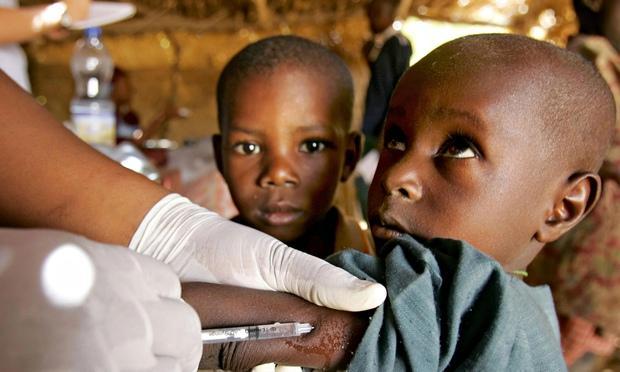
More revealing than the spread in terms of geography is the immunisation status of the children made ill by measles. Over three-quarters and a half of cases have been in children who are yet to receive a single dose of the measles vaccine.
It thus makes the point that the outbreak is not so much a product of lack of medical knowledge but rather lack of delivery systems.
While surveillance information suggests that most local government areas have successfully ended active outbreaks, the scale of confirmed cases across hundreds of LGAs suggests that measles transmission remains endemic, increasing drastically whenever immunity gaps widen.
To address this challenge, Nigeria has various existing responses that seek to fill this deficit. At the forefront of this effort is the national routine immunisation schedule that is arranged by the National Primary Health Care Development Agency (NPHCDA) in partnership with the state primary healthcare boards.
This initiative by the Nigerian Ministry of Health, aided by development partners such as the World Health Organisation, UNICEF and Gavi Vaccine Alliance, offers the infrastructural basis that supports the prevention agenda of the measles infection through immunisation at the age of nine months.
“Supplementary Immunisation Activities (SIAs) have also emerged as another important strategy. Regular mass vaccination campaigns aim to cover children who have never accessed regular immunisation services, particularly “zero-dose” children. The latest campaign is the Measles-Rubella vaccine initiative.
Disease surveillance and response systems are also a crucial line of defense. The Integrated Disease Surveillance and Response framework, which is handled by the Nigeria Centre for Disease Control and Prevention, allows for the quick notification of suspected cases.
The fact that most local government areas have completed their outbreak control indicates improvement in the time taken to detect and respond. Improvement in laboratories and quick response teams will be crucial in ensuring that individual cases do not turn into outbreaks.
Engaging the community is another solution that is being implemented. There is a recognition that faith-based organisations and community institutions are increasingly playing a critical role in overcoming the scepticism that is taking place in the area of vaccination.
In many locations, social divides are being bridged by faith-based organisations, which are disseminating messages of immunisation using community networks.
Social and behaviour change communication is playing an increasingly prominent role in dealing with both cultural and religious concerns.
Strengthening efforts of the country’s health system also contributes to controlling measles. For instance, the Basic Health Care Provision Fund is aimed at improving financing for primary health care facilities to ensure vaccine supplies are available and there is effective cold chain functioning, as well as qualified health staff.
If facilities at the primary health centres become functional and trusted by the people, immunisation rates for preventing diseases increase, with less emphasis on immunisation through emergency campaigns.
There are innovations in digital health technologies that are being presented as complementaries. Electronic immunisation registers and mobile phones are being used to track vaccination status and locate missed children in some states. At larger scales, the technological interventions can be used to close the gap that allows unvaccinated children to remain undetected in the system.
Ultimately, while answers are already at hand, what it will take to see a reduction in measles cases in Nigeria is better harmonisation for these already existing solutions. The work has already been done, but their impact hinges on consistent implementation and coordination.
The reminder that these statistics bring about is that challenges posed by an ailment like measles are not just a medical challenge but a system challenge, which requires sustained investment, local trust and resilient primary healthcare to ensure that preventable diseases no longer claim young lives.
Summary not available at this time.