



With more than 60,000 deaths each year, antimicrobial resistance (AMR) is becoming one of Nigeria’s deadliest public-health threats, according to the World Health Organisation.
New strains of the infection are becoming resistant to common treatments, thereby killing mostly young children and deepening health inequalities.
In 2021, AMR was responsible for roughly 4.7 million deaths worldwide. Medical experts project that the tally could surge to 39 million by 2050 without better surveillance and improved access to quality diagnostics.
Indeed awareness and funding fall short of the scale of the crisis. In Nigeria, though, several programmes are already afoot to slow the spread of antimicrobial resistance.
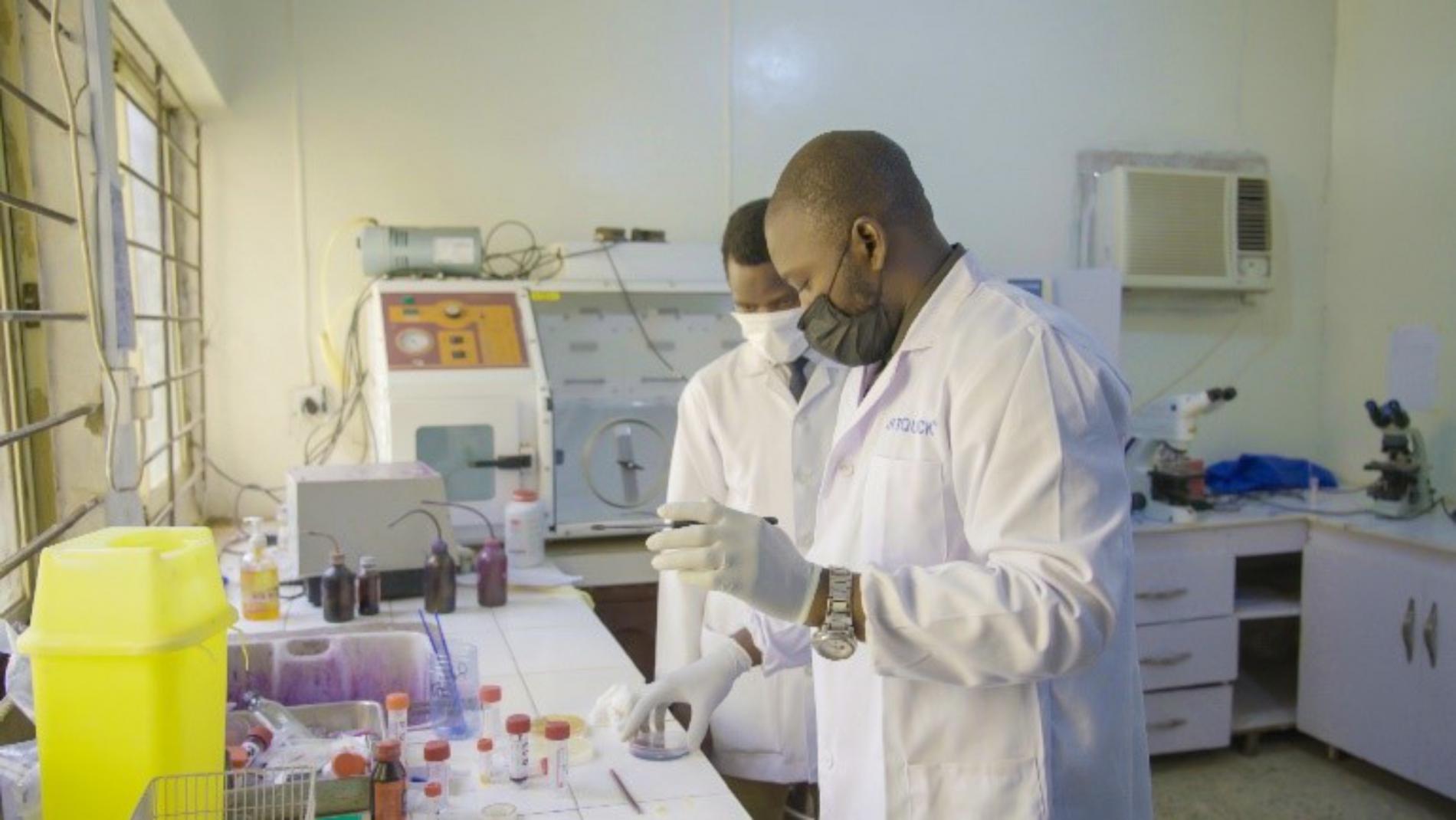
Start with the National Action Plan for Antimicrobial Resistance, led by the Nigeria Centre for Disease Control and Prevention (NCDC). The plan focuses on enhancing AMR surveillance, putting a check on the use of antibiotics and improving laboratory capacity throughout the country.
Through the National AMR Surveillance Network, NCDC now tracks drug-resistant infections across sentinel sites; these give the country its most reliable AMR data to date.
The Federal Ministry of Agriculture and Food Security has complemented NCDC’s effort by scaling up its One Health AMR activities to address the abuse of antimicrobials in livestock and poultry farming, one of the key drivers of resistance.
Veterinary extensionists and regulators are engaging farmers to avoid regular use of antimicrobials and use safer waste-management practices that minimise contamination of water and soil.
The WHO and the UK Fleming Fund support AMS programmes in hospitals to help medical facilities monitor antibiotics prescribed by physicians. Federal hospitals, such as UCH Ibadan and the National Hospital Abuja, have been running regular stewardship activities to help reduce antibiotic misuse.
Meanwhile, building on the outcome of the UN Meeting on AMR, Nigeria is set to host the 5th Global Ministerial AMR Conference in 2026. The event will attract investments and technical partnerships supportive of surveillance, diagnostics and the local production of high-quality antibiotics.
The WHO, through its AMR programmes in Nigeria, continues to support laboratories with training, advocates for equitable access to quality medications and supports the government to integrate AMR action into plans for primary health care and universal health coverage.
The organisation is also pushing for long-term domestic and international financing to ensure that AMR control is recognised as a permanent national priority rather than as an emergency reaction.
If scaled, these efforts can substantially reduce Nigeria’s drug-resistant infections, protect vulnerable groups and save millions of dollars in avoidable treatment costs.
Nevertheless, political will, along with improved public-health regulations, will determine how far the country moves.
Summary not available at this time.