


Rabies remains one of the deadliest but most preventable infectious diseases affecting humans and animals. Transmitted mainly through dog bites, the virus attacks the brain and spinal cord and is almost always fatal once symptoms appear.
Low vaccination rates and low awareness continue to put people at unnecessary risk in many Nigerian communities where dogs are used for hunting, security or companionship.
Despite the availability of effective vaccines, the disease has continued to spread due to limited access to reasonably priced veterinary care, particularly in rural areas.
Dogs account for more than 95% of rabies transmission to humans globally, killing approximately 59,000 people every year.
In Gombe State, health and agriculture authorities report a high burden of rabies cases compared to many other states, prompting sustained intervention.
Since the state’s vaccination programme began, about half of the estimated dog population, roughly 25,000 animals, has been vaccinated annually.
Building on this progress, the state has now set a target of immunising 50,000 dogs as part of a broader effort to eliminate rabies by 2030.
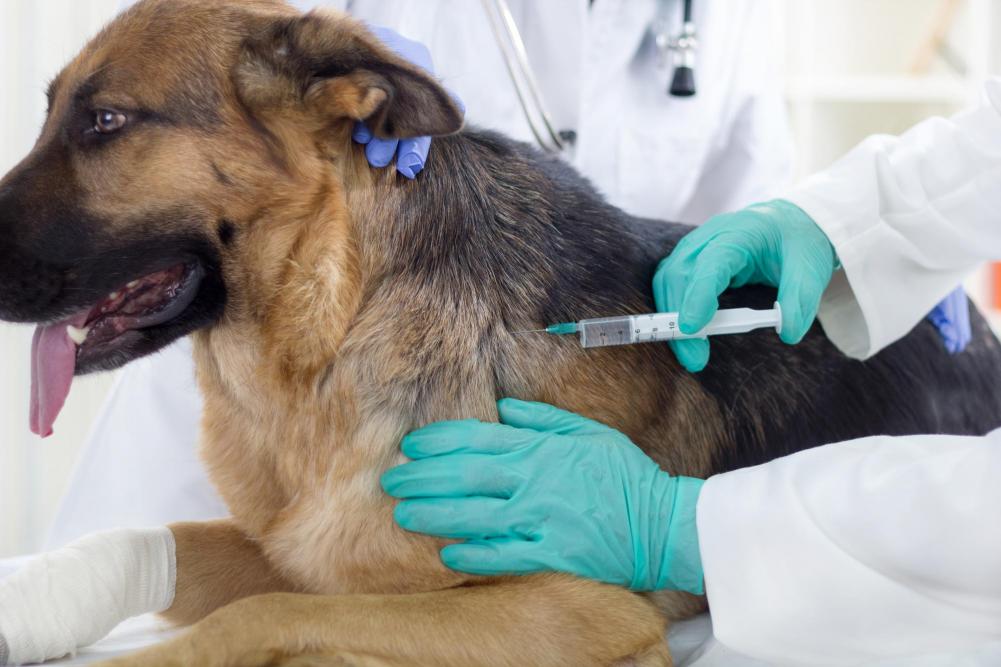
The state government’s approach is centred on mass dog vaccination, which is generally acknowledged as the best method of stopping the spread of rabies to people.
The vaccination is conducted at vet clinics all over the state using both purchased and extra vaccinations that come through collaboration with the federal government.
In addition to vaccination, efforts are underway by authorities to enhance disease surveillance, while immediate washing of the wound and post-exposure prophylaxis of bite contacts are being promoted.
Public awareness campaigns targeting hunters and dog owners also stress responsible dog ownership and the shared responsibility of preventing rabies.
Gombe’s strategy aligns with regional and international rabies elimination plans that emphasise immunising at least 70% of dogs in order to stop the spread of the disease.
In several African countries, sustained annual dog vaccination campaigns combined with community education have led to sharp declines in human rabies deaths.
These programmes demonstrate that, by maintaining a regular vaccination programme, accompanied by surveillance and public awareness, it is possible to shift rabies to the periphery and eventually remove it.
Yet, despite the potential, the campaign faces some challenges. The fact that the cost of rabies vaccines is out of reach for most rural households makes government and donor financial support a must.
Reaching the dog population in remote or highly mobile hunting communities could also be difficult.
Furthermore, there may be information gaps regarding the dog population, which could impede planning targeted coverage.
Without sustained funding, regular follow-up campaigns, and improved reporting of dog bites, progress could stall before elimination is achieved.
Gombe State is taking on the rabies problem at its core as it aims to vaccinate 50,000 dogs. The initiative shows how public investment and community involvement combined with preventive measures can lessen a persistent threat to public health.
While challenges remain, consistent vaccination, awareness, and surveillance place the state on a credible path toward ending rabies transmission.
In addition to saving lives in Gombe, sustainability could provide other states hoping to eradicate rabies by 2030 with a workable model.
Summary not available at this time.