


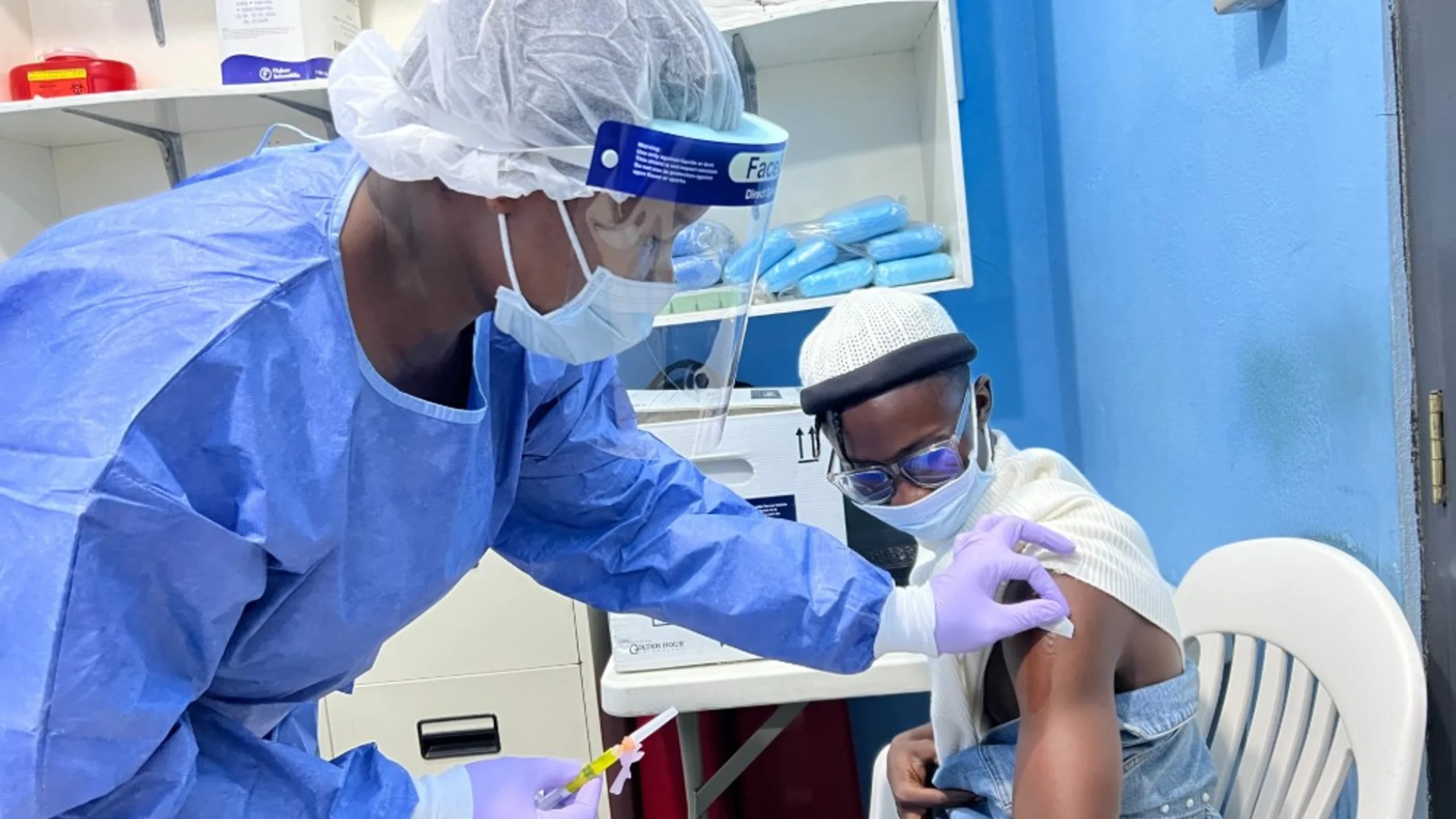
The dosing of the first volunteer in Oxford’s first in-human clinical trial marks a pivotal moment in the global effort to combat Lassa fever, a disease that has strained West African public-health systems for more than five decades.
The Phase 1 trial, funded by the Coalition for Epidemic Preparedness Innovations and led by the Oxford Vaccine Group, will evaluate the safety and immune response of the ChAdOx1-based vaccine in adults aged 18 to 55.
A second phase is already scheduled for Ghana, signalling a shift toward testing the vaccine closer to the area of recurring transmission.
This development is especially relevant for Nigeria, which has recorded hundreds of cases—including multiple fatalities—this year alone
The vaccine uses the same viral-vector platform deployed for the Oxford/AstraZeneca COVID-19 vaccine, a technology proven to be scalable at speed.
Its use here raises the likelihood of faster regulatory evaluation, manufacturing and deployment if trial outcomes show promise.
Currently, lassa fever relies on behavioural measures. An effective vaccine would shift the response from reactive outbreak to long-term epidemic control.
Given that the virus can cause hearing loss, organ complications and severe bleeding and is also transmissible by contact with infected rodents, a safe vaccine could substantially reduce Nigeria’s annual case burden and ease pressure on overstretched treatment centres.
Nigeria’s response infrastructure
This progress is not isolated. Nigeria has an active ecosystem committed to detecting and treating Lassa fever.
The Nigeria Centre for Disease Control (NCDC), through the National Lassa Fever Technical Working Group, coordinates outbreak response, laboratory confirmations and epidemiological data.
Diagnosis timelines have improved through an NCDC-supported network of PCR-capable laboratories, including several within the African Network for Improved Diagnostics.
Fast turnaround is crucial, particularly because Ribavirin—the frontline treatment—is most effective when handled early.
Treatment of suspected cases is also being decentralised to Federal Teaching Hospitals and infectious-disease centres in such states as Ebonyi, Ondo and Bauchi, guided by the national case management protocols.
Through such facilities, Nigeria has been able to gradually improve survival outcomes among those patients treated early.
The current interventions stretch beyond clinical care. Public-health messaging has been strengthened through NCDC campaigns and community-level programmes that encourage sealed food storage, improved sanitation and the avoidance of bush storage of grains.
The “Break the Chain of Infection” initiative remains a visible platform for educating households on rodent-control practices, safe handling of waste, and early symptoms. These campaigns remain critical in rural areas where food storage habits increase rodent exposure.
International partnerships also play a crucial role. Through outbreak-response collaboration, the support of research studies comes from the Bernhard Nocht Institute for Tropical Medicine, while treatment support and technical guidance in previous outbreaks have come from Médecins Sans Frontières.
The Africa Centres for Disease Control and Prevention, through its Epidemic Preparedness Strategy, continues to promote standardised responses across borders—particularly relevant because regional migration increases cross-territorial spread.
The Nigeria Field Epidemiology and Laboratory Training Program (NFELTP) has strengthened research capacity and continues to equip epidemiologists with outbreak investigation skills.
NFELTP trainees often participate in contact tracing, transmission documentation, and risk-communication teams when outbreak clusters emerge. This workforce pipeline forms part of Nigeria’s longer-term resilience strategy.
Still, these interventions remain largely reactive, mobilising only after cases are detected. The arrival of a vaccine candidate introduces the possibility of shifting Nigeria’s approach towards sustained immunity among high-risk communities.
This aligns with the goals of the Lassa Fever Coalition, led by the West African Health Organisation and supported by CEPI, which aims to coordinate clinical trials, build regulatory alignment and prepare equitable distribution across West Africa.
What success could mean for West Africa
If the vaccine advances beyond Phase 1, its integration into public-health systems would complement existing surveillance and case-management strengths.
Targeted immunisation of agricultural workers, health personnel, peri-urban households and communities in endemic regions could virtually eliminate outbreaks.
This would reduce seasonal pressure on hospitals like Irrua, decrease dependence on treatment with Ribavirin, and limit deaths from late diagnosis.
Ultimately, the introduction of the ChAdOx1 Lassa vaccine trial means the region is moving from managing outbreaks to preventing them. It leverages the surveillance architecture driven by the NCDC, innovations in treatment at the Irrua centre, investments in laboratories and public-health messaging.
Summary not available at this time.