



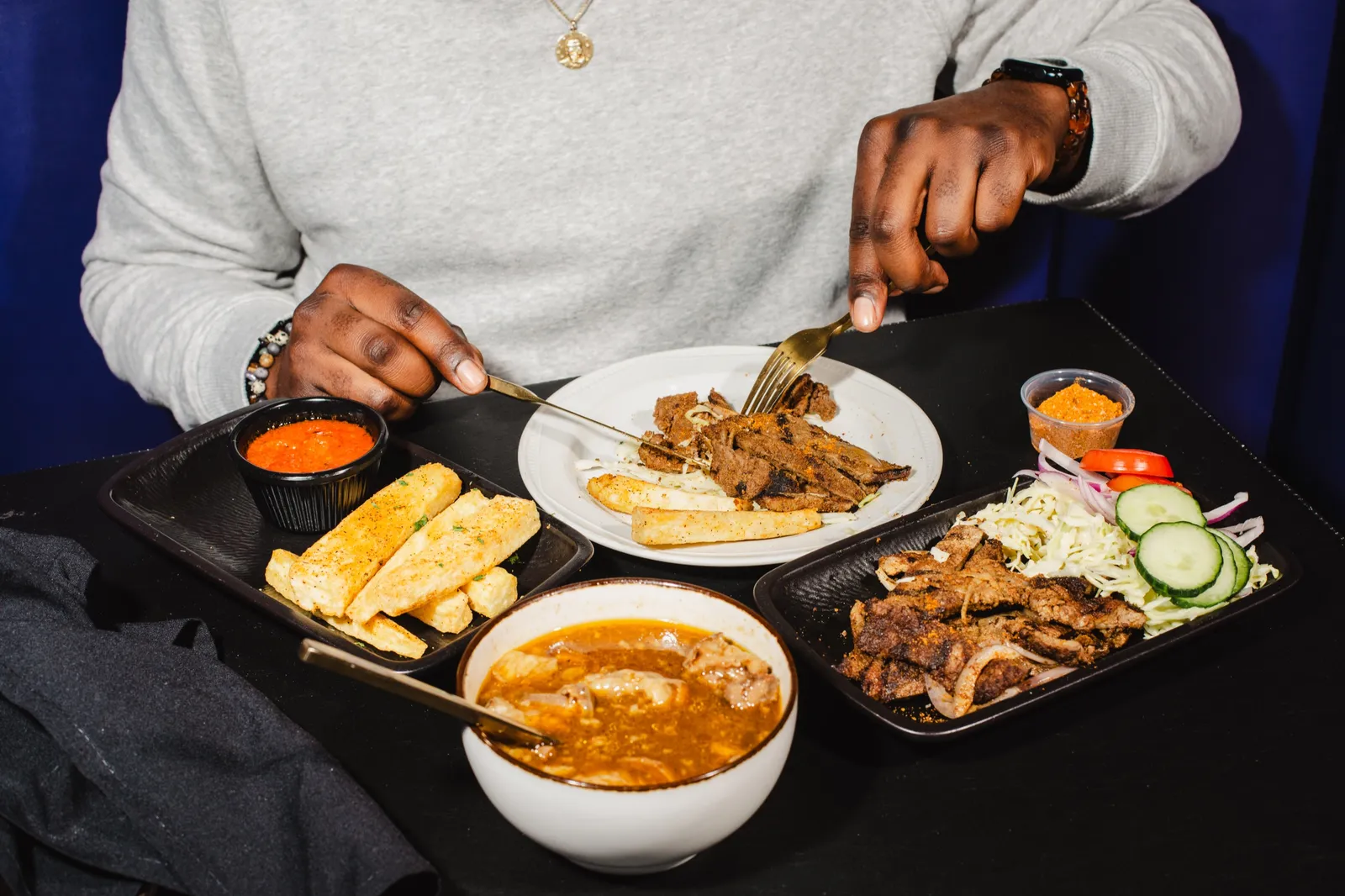
For many Nigerians, longer workdays and heavy traffic have shifted dinner time well into the night. During festive periods, most feast on heavy meals, snacks and carbonated drinks long after dark.
But is eating late entirely harmless?
Urban living has reshaped eating patterns across Nigeria. In major cities, many adults leave home before sunrise and return late at night, making late dinners the most convenient option. Many turn to energy drinks and pastries as a way to refuel after long days.
Some evidence suggests that breakfast after 9 a.m. can worsen cardiovascular outcomes. This trend is particularly acute between October and December, when weddings and wakes are more frequent and eating often stretches into the night.
This exacts an additional strain on the body since “when you eat late, you’re asking the body system that’s meant to be resting to stay active,” notes Paul Wilson, an Abuja-based nutritionist.
How does late-night eating affect the body?
The human body follows a circadian rhythm, a natural internal clock that regulates sleep, digestion, and hormone release.
Eating late interferes with this rhythm, forcing the body to digest food at a time when insulin sensitivity is lower and metabolism slows down.
When meals are consumed close to bedtime, the body struggles to process glucose efficiently. Over time, this can increase the risk of insulin resistance, weight gain and elevated blood sugar levels. These changes place extra strain on the heart and blood vessels.
Late-night eating has also been linked to higher levels of bad cholesterol and increased blood pressure, two major risk factors for heart disease.
“Your heart doesn’t shut down at night, but it expects less stress,” Wilson explains. “Heavy meals late at night keep the cardiovascular system working overtime.”
Hormonal disruption
Eating late also affects hunger-regulating hormones, such as leptin and ghrelin, creating an imbalance.
Sleep quality also suffers. Poor sleep further disrupts hormones that control stress and metabolism, including cortisol. Elevated cortisol levels are associated with abdominal fat, increased appetite, and higher cardiovascular risk.
Festive periods amplify these risks. Meals during celebrations are often high in salt, oil and refined carbohydrates. When consumed late at night alongside alcohol, they raise the body’s metabolic burden.
Health experts warn that repeated festive cycles of late-night eating can accelerate long-term risks, particularly for those already at risk of hypertension or weight gain.
Practical, low-cost solutions
Addressing the trend does not require extreme dieting or expensive interventions but “is about making small decisions that your body can sustain,” says Wilson.
One emerging alternative is time-restricted eating—that is, limiting food intake to a consistent window during the day, such as 8–10 hours. Even shifting dinner earlier by one or two hours can make a difference.
For those who must eat late, food choices matter—lighter meals with vegetables, lean protein and whole grains are recommended, as these digest quicker compared with fried or sugary foods.
Avoiding energy drinks and heavy snacks late at night can also reduce strain on the heart and hormones.
Workplace adjustments, such as lunch breaks and flexible meal times, can help to reduce the urge to eat late at night.
More often than not, nutrition campaigns focus less on mealtime than on food quantity. Many Nigerians have limited control over work hours and commute times, ensuring that the trend continues unchecked.
Conclusion
Late-night eating has quietly become a fixture of modern Nigerian life, shaped by urban pressures and festive traditions. While often overlooked, the habit disrupts hormonal balance and places added strain on the heart, increasing long-term health risks.
Yet small shifts in meal timing, smarter food choices and increased awareness can reduce harm and improve overall wellbeing.
As lifestyles continue to evolve, understanding when we eat may be just as important as what we eat.
Summary not available at this time.