


In Benue, the demand for basic healthcare remains a challenge, especially for rural residents.
Outside of steep medical bills, long distances and limited staff are other barriers—meaning that many residents avoid the clinics unless their condition becomes life-threatening.
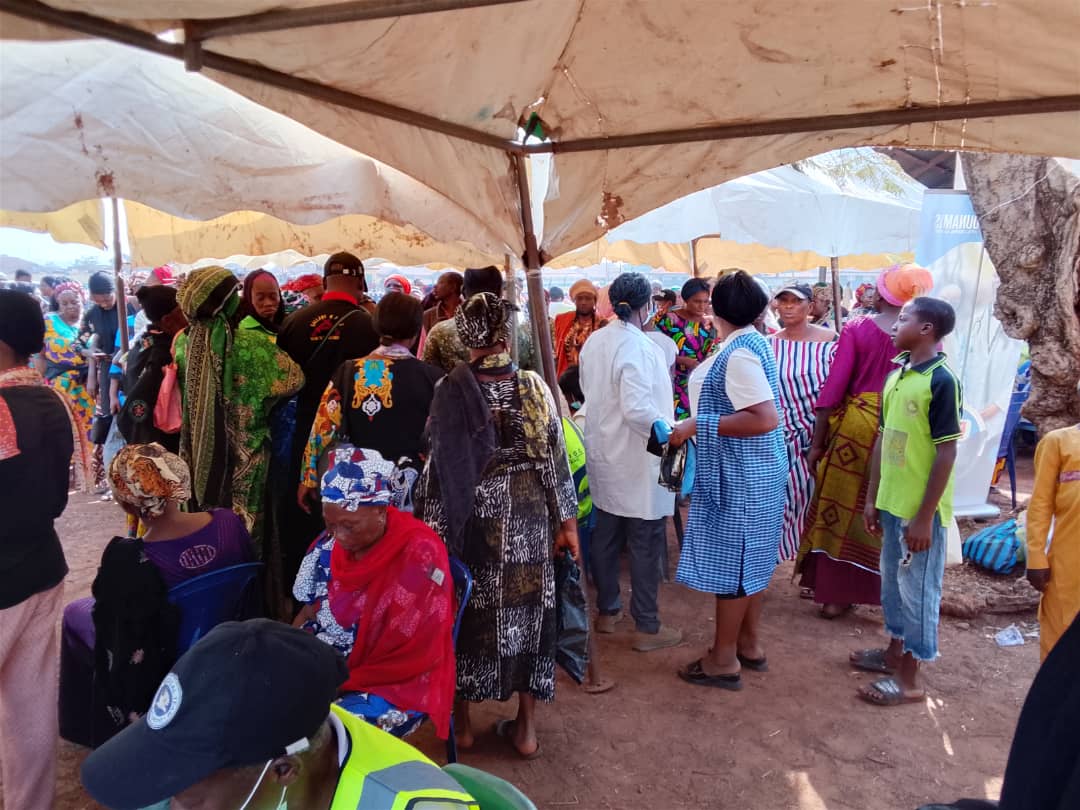
A recent medical outreach may have brought succour for many. Hosted by the Dunamis International Gospel Centre, the 5-day outreach catered to more than 7,000 residents across four Idoma communities—Igumale, Iga Okpaya, Adoka and Otukpo.
The outreach was also designed to amplify awareness about the general shortcomings in healthcare delivery that are prevalent in rural areas.
Residents received treatment for some common—yet often overlooked—ailments such as malaria, hypertension, diabetes, skin infections, ulcers and urinary tract infections.
Laboratory diagnoses—encompassing malaria parasite testing, Widal testing as well as hepatitis B and C screenings—were conducted on-site, including specialist care for the teeth and eyes.
The campaign resonates with a broader trend in which faith organisations and communities are helping to fill healthcare gaps caused by strained public-health infrastructure.
Evidence from similar programmes has demonstrated the importance of mobile clinics and community-based interventions in underserved regions.
Notwithstanding, these non-governmental efforts are, by their nature, short-term interventions. For instance, some conditions require medication on an ongoing basis, which relief missions cannot adequately provide.
WIthout adequate health facilities and personnel, community members may soon start to relive former symptoms.
For all their importance, relief missions do not offer a lifelong solution to Nigeria’s healthcare gaps. This requires government commitment to improving primary healthcare facilities, hiring qualified personnel, and boosting drug supply.
Nevertheless, the Benue medical outreach shows how targeted, community-based interventions can deliver immediate relief to those cut out of health insurance packages.
The true benefit, however, lies not in the intervention but in what it reveals: that a greater need exists in terms of bolstered healthcare systems in rural Nigeria.
To make rudimentary healthcare a continuous presence in those communities as opposed to a seasonal occurrence will require collaboration between the government and faith-based organisations.
Summary not available at this time.