



Africa is home to the highest HIV burden in the world. At least 52% of the world’s 40.8 million people living with HIV reside in Eastern and Southern Africa.
While South Africa leads with 7.5 million people, the adult prevalence rates in countries like Mozambique, Nigeria, Uganda and Kenya surpass the global average of 0.7%.
In response to the high incidence of infections, treatment fatigue and ongoing structural inequalities, African countries have rolled out perhaps one of the most effective HIV-prevention tools.
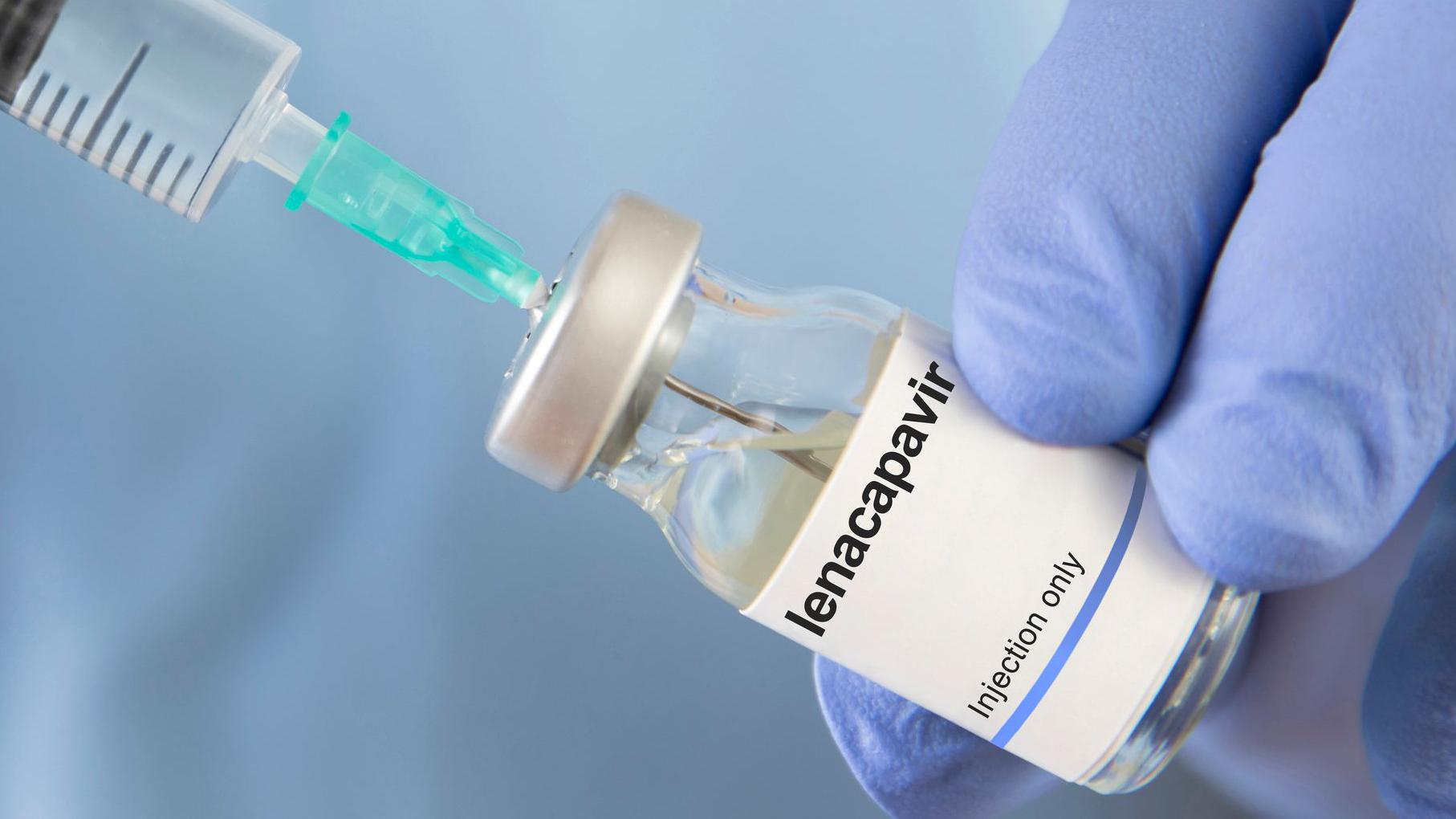
On World AIDS Day, December 1, South Africa, Eswatini and Zambia became the first African countries to publicly administer lenacapavir, a groundbreaking injection designed to reduce HIV acquisition risk.
The medication, taken only twice a year, has demonstrated more than 99.9% effectiveness in preventing transmission. In South Africa, the rollout is being coordinated by a Wits University research programme under a Unitaid-funded demonstration study.
Eswatini and Zambia, two countries whose HIV prevalence rates sit at 27% and 11.5%, respectively, have so far received 1,000 doses each under the U.S.-supported initiative.
Manufacturer Gilead Sciences has committed to supplying lenacapavir at no profit for two million people across high-burden countries over the next three years. Global-health advocates, however, warn that this falls short.
With Africa accounting for 65% of all new HIV cases, experts note that millions more will require access if the drug is to make a real population-level impact.
The rollout of a twice-yearly injection could represent the most consequential leap in HIV prevention since the introduction of antiretroviral therapy two decades ago. The long-acting formula solves one of the biggest challenges when it comes to oral PrEP—adherence.
Daily PrEP pills must be taken consistently to work; many people struggle with missed doses, stigma or busy routines. A twice-yearly injection removes these barriers: no daily pills, no reminders, and far less stigma. This makes HIV prevention easier, more private and far more reliable for those who need it most.
More importantly, lenacapavir’s arrival is auspicious. Africa has not recorded progressive declines in new infections. While global HIV infections have dropped by 40% since 2010, progress in high-burden African countries has slowed. Several countries still record more than 100,000 new infections annually.
Among adolescent girls and adults, infections remain stubbornly high. Up to 4,000 new infections are reported each week across sub-Saharan Africa, according to 2024 UNAIDS data.
If scaled widely and equitably, the impact could be transformative. Countries struggling with adherence-related failures may see significant reductions in new infections.
Healthcare systems could benefit from decreased clinic visits, allowing overstretched facilities to redirect resources toward treatment, maternal health and other priorities.
For young women, who often have the least autonomy over sexual health decisions, a twice-yearly injection offers unprecedented control and privacy.
Economically, reducing new infections means reducing long-term treatment costs. Across Africa, HIV treatment guzzles billions of dollars annually. Even a modest proportional reduction in new infections could save governments millions over time.
More affordable generic versions are expected by 2027 though an alliance between Unitaid, the Gates Foundation and Indian manufacturers could bring costs down to as low as $40 per year, enabling mass rollout.
But equitable access will depend on political will, donor commitment, strong supply chains and reduced stigma, which continues to prevent many from seeking HIV services.
Summary not available at this time.