


Fuelled by the high cost of sanitary products and a plethora of myths surrounding menstruation, period poverty forces thousands of girls to miss school every month.
In some cases, girls often turn to unsafe alternatives such as rags or tissue paper.
While stigma related to menstruation remains a challenge in northern and southeastern parts of Nigeria, this hinders girls from freely discussing matters of menstruation, leaving them unaware of how to cope with their menstruation.
Therefore, without intervention, menstruation becomes not just a health challenge but a structural obstacle to girls’ participation in school and public life.
A 2023 UNICEF report showed that 23% of young girls in Nigeria skipped class because of menstruation.
In Nigeria, different NGOs dealing with education have stated the problem of absenteeism due to menstruation as one of the reasons girls underperform and drop out of educational institutions in poor settings.
Local assessments by civil-society groups have shown that many adolescent girls receive little to no formal menstrual health education, while the cost of disposable sanitary pads rises beyond the reach of families.
To address these challenges, the Inclusion Project, or TIP, initiated menstrual health forums in both Kano and Imo States through their Menstrual Hygiene and Reusable Pad Initiative.
The project aims to address both the financial and social aspects of menstruation-related poverty through education and empowerment.
The forums offered adolescent girls accurate, stigma-free information about menstruation, bodily changes and hygiene practices.
In this interaction platform, misconceptions related to menstruation were clarified by creating an understanding of this natural bodily function in terms of being a normal occurrence rather than a source of embarrassment.
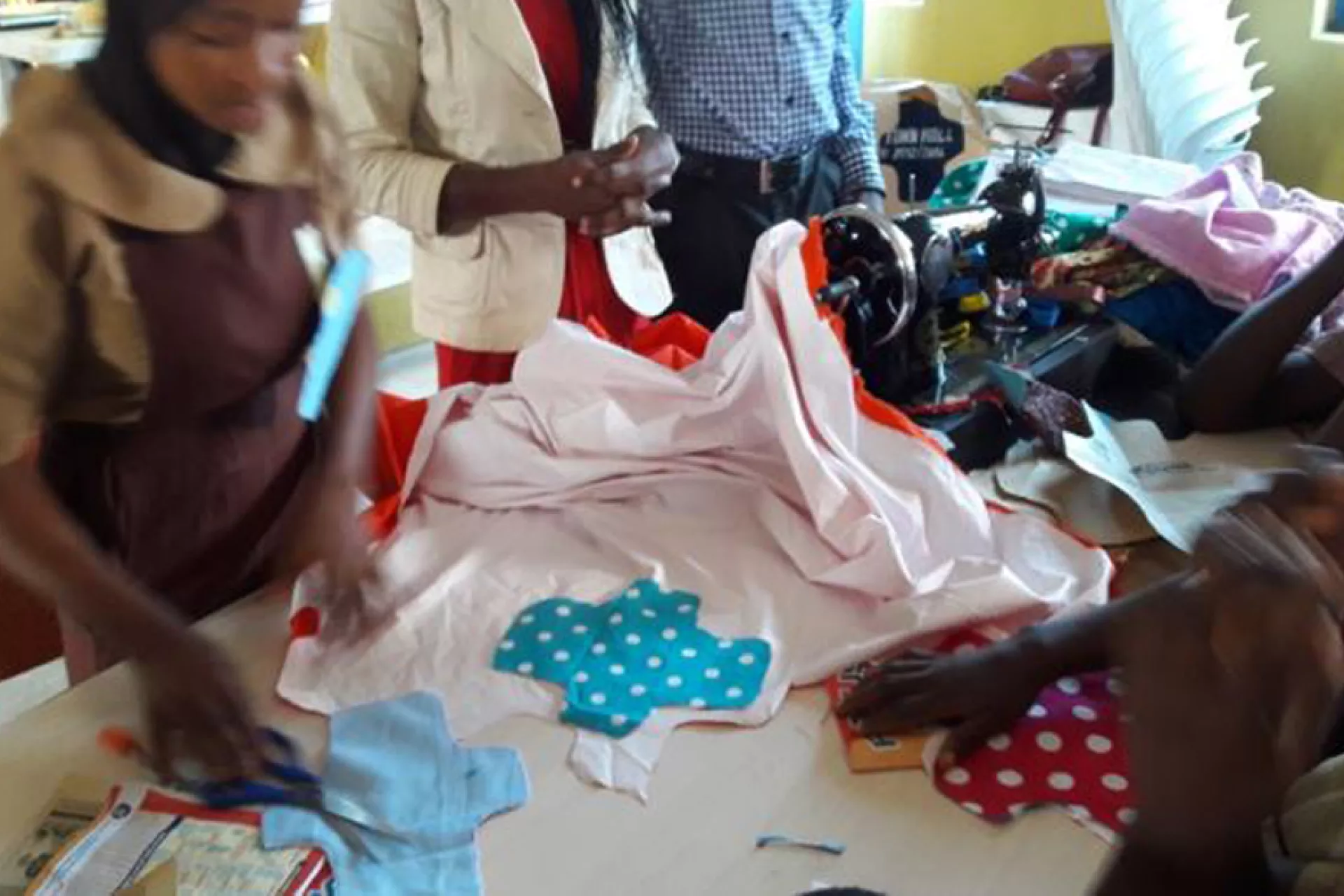
One of the key components of this initiative involves a practical skill-building approach to making Reusable Sanitary Pads using simple and readily available materials.
With this project, girls have learnt how to make their own pads, which can be considered an efficient way in the future since it will be cheaper compared to using disposable pads.
In Imo State, additional workshops were conducted with female leaders, which facilitated intergenerational dialogue.
They were empowered to share their views freely on menstrual health matters, demystify prevailing cultural beliefs and teach young girls how to manage menstruation.
TIP’s strategy resonates with successful menstrual health projects in Africa. In other parts of Kenya, school programmes providing pads and education have led to a remarkable decline in absenteeism among girls.
Similarly, in Uganda, NGOs working to promote the production of reusable pads have led to an increase in girls’ school enrollment, fostering small economic opportunities.
Such programmes prove that education paired with access to affordable menstrual solutions works better than distributing products alone.
For all its impacts, the intervention faces notable challenges. Reusable pads require running water and proper drying facilities, resources that are not consistently available in all communities.
Cultural resistance is also present in some regions, hampering direct participation in menstrual health conversations.
Because community forums reach limited numbers at a time, sustained impact depends on continued funding, policy support and integration into school health programmes.
The menstrual health forums conducted in Kano and Imo States showcase how girls can have their dignity, confidence, and education restored through community-led solutions.
Yet, while Nigeria works towards closing gender inequalities in education and healthcare, scaling such interventions—through improved infrastructure and policy—is critical in ensuring that no girl misses school because of her period.
Summary not available at this time.