


Nigeria’s livestock industry comprises more than 88 million sheep, 49 million goats, 21 million cattle and 258 million poultry. Yet it has long faced a slew of hurdles.
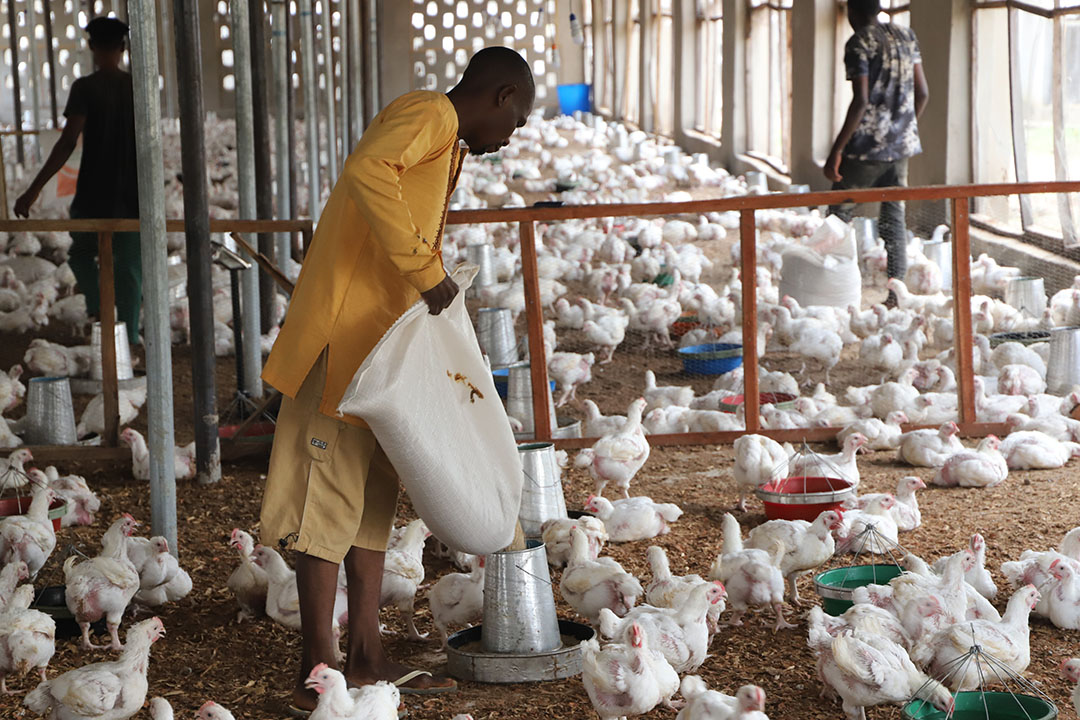
Many smallholder farmers continue to rely on outmoded methods amidst poor housing, low-quality feed and limited access to veterinary services.
Although 48% of households nationwide practise livestock farming, FAO data indicate that only about one in five receive extension services.
This deficit means that many farmers are ill-prepared to prevent disease outbreaks, manage breeding cycles or implement climate-smart feeding practices.
Each year, around 40% of the country’s livestock population is lost to a combination of climate risks, disease outbreaks, poor management and insecurity. These losses, estimated at over ₦7.17 trillion per year, undermine farmer incomes, threaten national food supply and drive import dependency.
Globally, technology is now reshaping livestock production. Automated feeders, climate-controlled barns and livestock management software are increasingly used to boost productivity and reduce losses.
In Nigeria, precision livestock farming technologies, including mobile apps for herd management and disease tracking, are gradually gaining traction, too.
A 2025 systematic review shows that digital feed- and weight-monitoring tools can cut feed waste by up to 75% and deliver 33% feeding savings. Global reviews show that precision feeding also poses less risk to the environment.
In pig production, for example, sensors and AI tools reduce feeding costs by over 8% and lower nitrogen and phosphorus excretion by nearly 40%, improving both efficiency and environmental outcomes (PMC).
Despite this potential, access to professional support and modern tools is limited at the community level. Many rural farmers struggle to adopt climate-smart feeding, preventive veterinary care or efficient breeding methods due to insufficient advisory services.
To close the gap, the federal government recently scaled up training for livestock extension officers nationwide. Extension officers play a vital role in translating policies into actionable practices on the farm.
The training grounded officers in proper animal husbandry practices and nutrition and feed management, including breeding and record keeping.
This national initiative resonates with a broader pattern across the continent. In Kenya, ICT-based advisory tools such as iCow help smallholder dairy farmers achieve higher milk yields and household incomes.
Ethiopia’s community animal-health and herd-management programmes also significantly reduced mortality in small ruminants.
In commercial systems across South Africa and Europe, automation and precision livestock farming (PLF)—such as robotic milking, sensor-based health monitoring and precision feeding—have boosted yields and reduced feed waste.
As these models show, integrating digital advice, preventive health systems and precision technologies reliably improves efficiency, resilience and animal welfare across different production contexts.
What’s more, modernised extension services foster resilience and sustainability. Providing training in One Health principles ensures livestock management aligns with human and environmental health, addressing the growing risk of zoonotic diseases.
Sustained, these measures can shift Nigeria’s livestock system from its fragmented structure to a commercially viable and climate-resilient industry.
Summary not available at this time.