



Nigeria’s livestock sector has an impressive resource base which operates far below potential, constrained by outdated production methods, inadequate infrastructure and investment gaps that keep Nigeria dependent on imported dairy products despite possessing substantial livestock populations.
The federal government’s 2025-2035 National Livestock Growth Acceleration Strategy aims to increase the sector’s GDP contribution from $32 billion to between $74 billion and $94 billion within ten years, representing a 131% to 194% hike.
This ambitious projection acknowledges both the sector’s current underperformance and its transformative potential.
However, this ambition confronts a peculiar challenge: reviving thirty-eight moribund livestock facilities built six to seven decades ago that now sit idle while the nation struggles with productivity deficits these very facilities were designed to address.
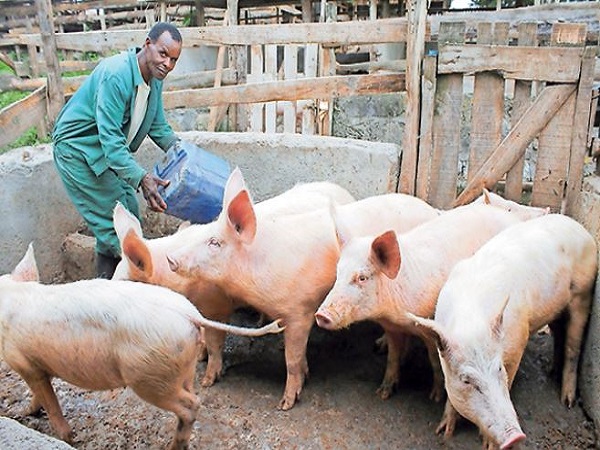
These legacy infrastructure assets span all six geopolitical zones, comprising milk collection centres, cattle multiplication centres, goat and sheep breeding centres, pig progeny centres and tanneries constructed during Nigeria’s early independence period when government-led agricultural modernisation drove development strategy.
Many facilities operated effectively for decades before declining into disrepair through inadequate maintenance, obsolete technology, insufficient operating budgets and shifting policy priorities that redirected resources elsewhere.
The facilities represent substantial prior investments now generating zero returns, embodying the broader infrastructure decay that characterises many Nigerian public assets.
Their continued dormancy is particularly frustrating given current challenges: Nigeria imports $1.5 billion worth of veterinary vaccines annually despite having capacity for domestic production, milk yields average just 2.3 litres per cow daily compared with 30 litres achievable through improved genetics and management, and tanneries sit idle while raw hides are exported to foreign processors who capture value-added revenues.
The federal government now champions public-private partnership as the strategic framework for revitalising these assets, suggesting that government alone cannot sustainably finance and operate livestock value chains.
Specialised training sessions hosted by the Ministry of Livestock Development build institutional capacity among stakeholders to understand, structure, negotiate and manage PPP projects specific to livestock sector requirements.
The approach acknowledges that PPP promotes efficiency, innovation, risk sharing, accountability, and value for money when properly structured and transparently implemented.
The model can accelerate project delivery, reduce fiscal pressure on government, improve service quality, and stimulate private investment while safeguarding public interest through contractual frameworks that balance commercial viability with development objectives.
Further, the landmark $2.5 billion investment deal with JBS S.A., the world’s largest meat processing company, will establish six large-scale meat processing plants for beef, poultry and pig production, creating over 50,000 direct and indirect jobs while enhancing Nigeria’s participation in global livestock markets.
This partnership demonstrates private sector confidence in Nigeria’s livestock potential when appropriate frameworks exist.
Additional discussions proceed with investors from the United States, France, the United Kingdom, China and Morocco seeking entry into expanding markets.
By 2026, Nigeria aims to attract an additional $5 billion investment to expand meat and dairy processing capacity, create over 100,000 new jobs across livestock value chains and boost exports to Middle Eastern and European markets.
The revitalised legacy facilities would complement these new investments by providing established infrastructure for breeding programmes, milk collection networks, and leather processing that new entrants can integrate into their operations rather than building from scratch.
However, PPP success depends on factors beyond goodwill and training workshops. Nigeria’s business environment presents challenges, including inconsistent policy implementation, regulatory unpredictability, foreign exchange volatility, and weak contract enforcement that deter long-term private investment.
The livestock sector faces specific complications: farmer-herder conflicts generate security concerns affecting production zones, land tenure ambiguities complicate facility site control and the absence of reliable livestock data since the last census in 1991 makes planning difficult.
The Ministry has launched a national livestock identification and tracking system to address data gaps, but comprehensive information remains years away.
Power supply inadequacy threatens facility operations requiring cold chains and processing equipment, while poor rural road networks constrain market access essential for commercial viability.
Summary not available at this time.