



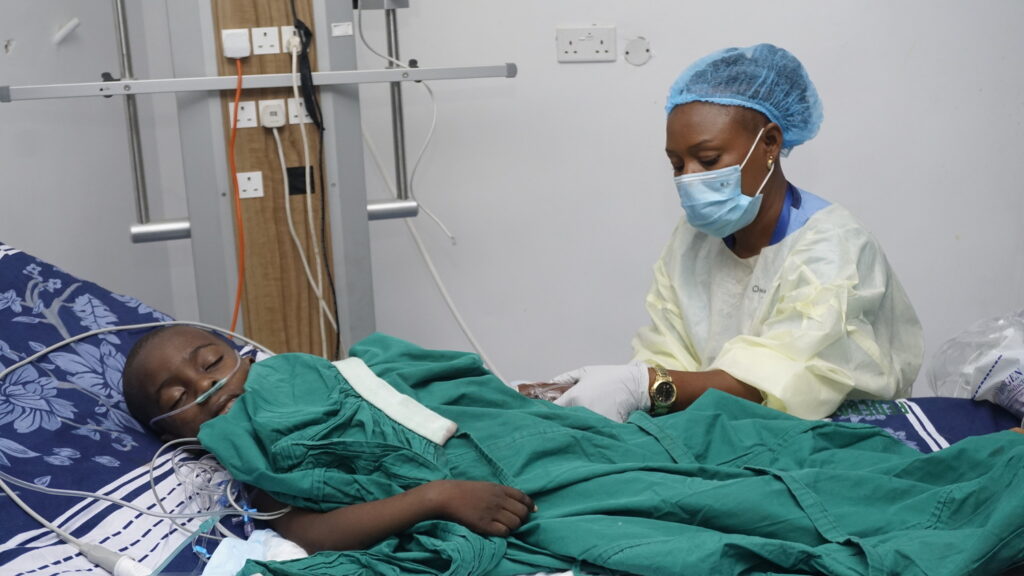
The unfolding story around Hospitals for Humanity’s paediatric cardiac interventions reveals the human cost behind the gaps in Nigeria’s specialised healthcare.
In clinical waiting rooms, it is a reality characterised by delayed diagnoses, a lack of access to specialised facilities, and prohibitive treatment costs.
Congenital heart defects, estimated to afflict 8 out of every 1,000 children in Nigeria, often go unnoticed until symptoms escalate.
For many children, subtle symptoms spark alarm after years of outwardly normal lives. When a diagnosis finally comes, families are confronted with treatment costs running into millions of naira, often alongside the prospect of travelling abroad.
The intervention by Hospitals for Humanity changes this trajectory, availing local facilities of free, high-level cardiac surgery. The impact extends beyond the operating theatre, restoring confidence in local care, reducing the pressure on medical tourism, and offering a lifeline where hope may otherwise expire.
Besides this intervention, there are a number of existing solutions already across the healthcare value chain in Nigeria for paediatric cardiac care, albeit most are under-resourced.
Teaching hospitals such as Lagos University Teaching Hospital, University College Hospital Ibadan, and Aminu Kano Teaching Hospital have made strides with regard to paediatric cardiology and cardiothoracic surgery.
While these institutions provide diagnosis, monitoring, and in some instances, surgical intervention, constraints have included limited operating theatres, shortages of specialised equipment and workforce gaps.
Non-governmental organisations have been playing a critical complementary role. From the Kanu Heart Foundation to Save a Child’s Heart Nigeria and Rotary-supported cardiac missions, many have helped fund surgeries, overseas treatments, and support diagnostic services.
These programmes bridge the financial gap for families, as their support is also highly reliant on donations and periodic missions rather than continuous care. Their very existence reflects both innovation and necessity within a system where public funding remains insufficient.
Government-led health financing mechanisms also form part of the solution. The National Health Insurance Authority has expanded coverage, and some state health-insurance schemes have now included limited cardiac diagnostics for children.
Yet comprehensive coverage, including complex surgeries, remains rare. As a result, catastrophic out-of-pocket spending continues to define many families’ experiences, reinforcing inequality in access to life-saving care.
Other important areas that are already being attended to include capacity building. Various partnerships between hospitals in Nigeria and international medical institutions have facilitated training, short-term fellowships, and skills transfer in paediatric cardiac surgery, anaesthesia and intensive care.
Such a relationship is necessary in the desire to decrease reliance on visiting surgical missions by reinforcing local capabilities. In time, this kind of endeavour may convert intermittent, or episodic, care into sustained year-round services.
Hospitals for Humanity’s proposal for a free paediatric cardiac hospital in Lagos falls squarely within this larger solution. A dedicated facility offering 24/7 critical care would eliminate delays due to mission-based scheduling and drastically reduce mortality among children awaiting surgery.
Beyond direct care, such a hospital would serve as a training and research hub, positioning Nigeria as a leader in specialised health delivery within West Africa.
The story is, in sum, a tale of how fragile yet resilient Nigeria’s paediatric health care system is: whereas Hospitals for Humanity and similar organisations provide immediate relief and restored futures, long-term success will come from scaling up existing solutions by reinforcing public hospitals, expanding insurance coverages, deepening partnerships, and making further investments in specialised infrastructure.
Till then, every successful surgery will be a wake-up call on how many more little hearts await their turn.
Summary not available at this time.