


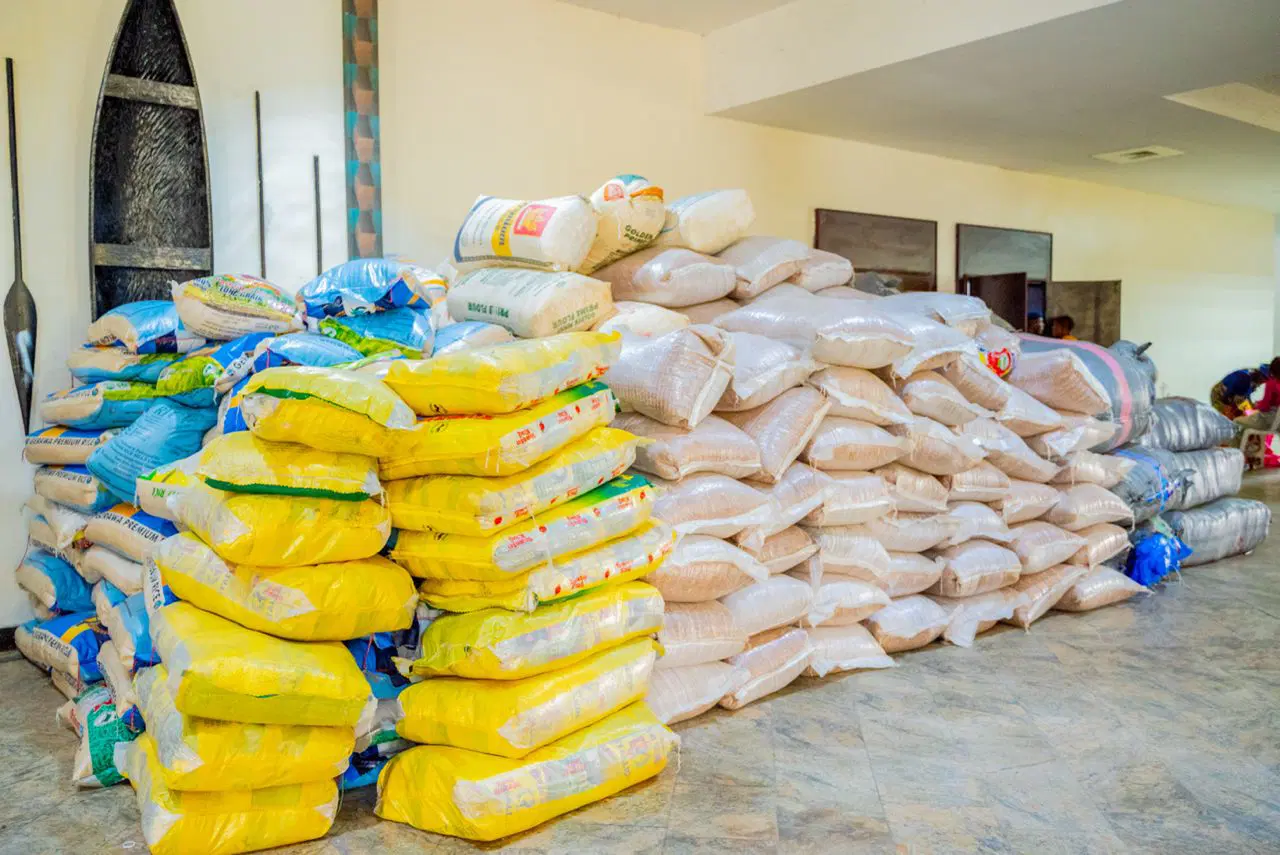
The recent Eid food palliative distribution by the Lafiaji Development Association (LDA) highlights how community-based organisations are increasingly filling welfare gaps amid Nigeria’s prolonged economic pressure.
The initiative reflects a grassroots response to inflation and the erosion of purchasing power, particularly in densely populated parts of Lagos Island, while mobilising locally available resources to deliver relief valued at over ₦7 million.
Beyond the financial scale of the intervention, the Lafiaji effort illustrates the growing sophistication of community-led social protection systems.
Structured beneficiary selection, zoning, and online verification mechanisms demonstrate a conscious attempt to promote transparency, equity and accountability—core principles often associated with formal welfare programmes.
The inclusive reach of the initiative through religious and traditional institutions also acknowledges that vulnerability cuts across faith and cultural lines.
Similar community-driven interventions are unfolding across Lagos and other urban centres. Development associations, civic groups such as the Youth Initiative for Sustainable Human Development in Africa (YiSHDA), and faith-based organisations like Elevation Church continue to provide food, health and educational support.
These initiatives act as shock absorbers during economic downturns, complementing government programmes that are often constrained by limited funding, narrow coverage or implementation delays. Their reliance on voluntary and professional networks enables rapid response when urgent needs arise.
At the state level, interventions such as conditional cash transfers, food assistance, and health services can further reinforce these grassroots efforts.
Stronger collaboration—particularly in areas such as medical outreach, sanitation campaigns and health education—would help prevent duplication and maximise impact.
Non-governmental organisations and cooperative societies also play a vital role in cushioning households against economic hardship.
Through savings schemes, microcredit, and skills training, many of these groups focus not only on immediate relief but also on sustaining livelihoods and reducing long-term dependence on food aid.
LDA’s plan to expand the palliative programme to twice yearly signals recognition that the current economic strain is not merely temporary but increasingly structural.
While palliatives remain critical for immediate survival, they must be complemented by broader interventions, including job creation, access to healthcare and education, and improved urban planning.
Overall, the Lafiaji initiative demonstrates that well-organised community structures can function as effective actors in social welfare delivery.
While such associations continue to bridge gaps created by weak social safety nets, their efforts also underscore the need for deeper, coordinated social development driven by strong grassroots collaboration across Nigeria.
Summary not available at this time.