



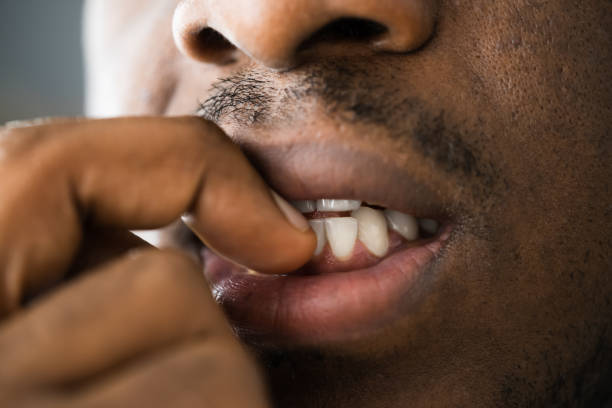
Nail biting is often dismissed as a harmless stress habit. However, medical evidence increasingly shows that it is a significant and preventable pathway for gastrointestinal infections.
Fingernails are constantly exposed to contaminated surfaces such as mobile phones, money, door handles, and toilets. When people bite their nails, microorganisms—including dirt, bacteria, viruses, and parasites—are transferred directly into the mouth.
In settings where hand hygiene and sanitation are difficult to maintain, this hand-to-mouth habit becomes an even easier route for infection. Children and young adults are particularly at risk, especially those who frequently use their teeth to trim their nails or eat with their hands.
Repeated exposure can lead to food contamination, recurrent stomach illnesses, and increased reliance on antibiotics. Research indicates that nail biting, also known as onychophagia, affects up to 30% of people worldwide.
Studies have shown that fingernails can harbour more than 30 strains of bacteria and parasites, including organisms associated with diarrhoea and other gastrointestinal infections.
Health reports continue to identify intestinal infections as a major cause of illness among children, with poor hygiene recognised as a key transmission route.
Rather than treating nail biting solely as a behavioural problem, public-health efforts increasingly emphasise prevention through education and behaviour modification.
Simple practices such as keeping nails short, washing hands regularly, and avoiding the use of teeth to clip nails can significantly reduce infection risk.
Behavioural strategies also play an important role. Identifying situations that trigger nail biting—such as stress, boredom, or intense concentration—allows individuals to replace the habit with safer alternatives.
Physical barriers that prevent biting, maintaining smooth and clean nails, and raising awareness of the health risks are effective in reducing the habit at a subconscious level.
Globally, infection-control campaigns now increasingly highlight personal and nail hygiene. Initiatives aimed at preventing intestinal infections consistently promote proper nail care alongside handwashing.
In parts of Europe and Latin America, school health programmes include nail inspections and hygiene education to curb the spread of digestive-system illnesses among pupils.
These efforts demonstrate how small changes in daily habits can yield significant public-health benefits. However, behaviour change can be challenging. Nail biting is often linked to emotional responses, making it difficult for some people to control.
Limited access to hygiene facilities, low awareness of health risks, and the social acceptability of the habit further hinder prevention. Without supportive environments and sustained health education, many people continue the behaviour without recognising its consequences.
Although nail biting may seem trivial, it is a silent and avoidable route for infectious agents to enter the body. Improving awareness of nail cleanliness—especially from early childhood—offers a valuable opportunity to prevent gastrointestinal infections and protect overall well-being.
Summary not available at this time.