


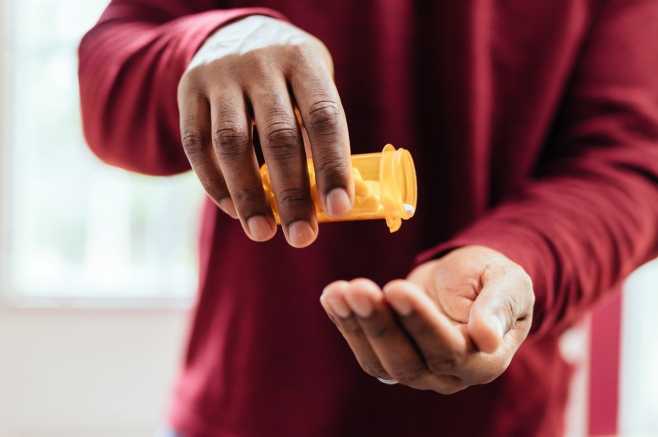
Unlike in Western countries, obtaining a doctor’s prescription is not routine practice in Nigeria. More often than not, faced with a fever or minor illness, many Nigerians would visit a medicine store or seek counsel from friends online.
A survey of patent and proprietary medicine vendors (PPMVs) highlights the rising trend of self-medication. About 66.67% of vendors in Kano reported selling antibiotics without a prescription.
Why Nigerians are turning away from hospitals
A medley of factors drives this shift. One is long waiting times. In most Nigerian public hospitals, getting to see a doctor often entails waiting in a queue for several hours.
“Hospitals are overwhelmed,” notes Phillips Junior, an Abuja-based pharmacist. “sometimes patients come in shaking with fever, saying they can’t wait to get seen. That’s when misuse starts.”
Financial pressure further exacerbates the problem. Recently, the costs of laboratory testing and drugs like antibiotics, analgesics and antihypertensives have surged, pushing families to turn to local chemist stores.
“The last time I visited a hospital, I paid almost ₦15,000 on tests alone. But at a chemist shop, I can get what I want for ₦1,500,” says Eneh Victor, an Abuja-based resident.
The proliferation of unregulated chemists
Nigeria has a large—mostly unlicensed—number of PPMVs, which act as the first point of contact in rural and underserved areas.
Femi Yusuf, a chemist in Abuja, explains that residents generally favour local medicine stores because “we don’t charge consultation fees. Occasionally they want antibiotics by name.”
Yet generational practices have also fuelled this trend. Many Nigerians imbibed this habit from their parents, who treated common ailments at home without a doctor’s prescription.
Social media has now aided and abetted the practice. On TikTok “health tips” are becoming more widespread as youngsters deal with stress, anxiety and insomnia.
A brewing health crisis
But Nigeria’s increasing prevalence of self-medication is not without consequences. Common infections are becoming harder to treat, increasing the risk of antimicrobial resistance.
Self-diagnosis also raises the risks of mismanaging chronic conditions like diabetes and hypertension. Overuse of painkillers, for instance, can result in kidney damage.
Mental-health concerns are emerging as well. With rising stress, anxiety and insomnia, especially among young people, many now experiment with chemicals, herbal mixtures or online “quick-fix” remedies that lack any
Such remedies lack verification, with corresponding unpredictable side effects, which even result in worsening of mental conditions.
Reversing self-medication
Curbing the trend requires a structured approach within the health sector. An initial step is the improvement of community-pharmacy practice since these professionals are capable of giving safe advice and acting as reliable first contacts for patients who might otherwise consult inexperienced chemists.
Telemedicine also offers promise by making consultations faster, cheaper and more accessible through mobile phones.
Public education is equally important. Nationwide awareness programmes can educate Nigerians understand the dangers of abusing antibiotics, herbal products and over-the-counter pain medications.
Additionally, strong regulation is vital. The Pharmacists Council of Nigeria, together with NAFDAC, should enforce stricter regulatory mechanisms that close fake pharmacy operators while digitised tracking systems are implemented for prescription medications.
Ultimately, restoring public confidence in hospitals—through better funding, staffing and service delivery—remains essential in diminishing the reliance on chemists.
Borrowing a leaf
Global examples show how a mix of regulation and community-focused initiatives can defeat self-medication.
In India, stricter regulations on antibiotic sales, combined with widespread public awareness campaigns, effectively reduced unregulated access to prescription drugs.
A strategic campaign in Kuwait encouraged households to return unused or expired medicines to designated collection centres, raised public awareness about proper medication use and disposal and provided consultations at collection sites.
Notwithstanding, several hurdles lay ahead. Thousands of illegal chemists operate in Nigeria’s rural areas, where health facilities are limited.
With only 10% covered by health insurance in Nigeria, many people pay for healthcare services on a cash basis, making hospitals financially unreachable.
In addition, eHealth systems are faced with challenges such as adoption, which is a result of a lack of digital literacy skills, as well as a lack of accessibility to smartphones or internet connections in the rural population.
Improving these concerns will prevent a healthcare crisis from escalating into a national disaster.
Summary not available at this time.