



By Agbai Sharonjoyce
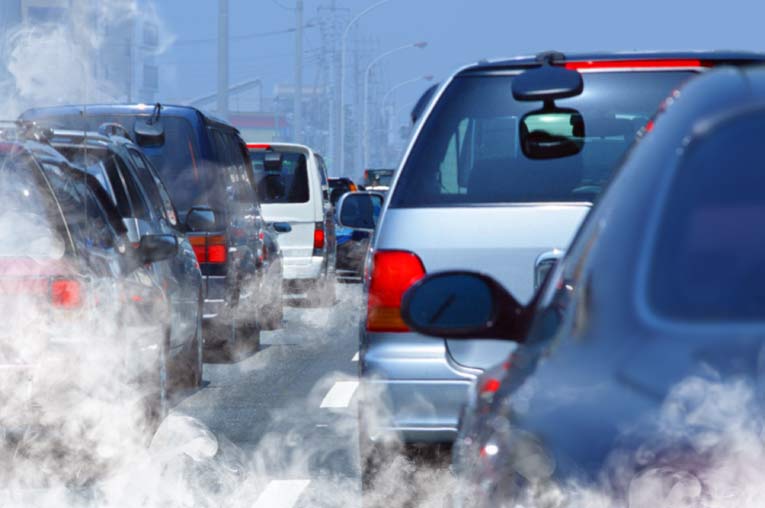
In many urban areas—especially in developing countries—vehicles are major contributors to air pollution. When engines burn fuel, they release a dangerous mix of substances into the air. This makes pollution not just an environmental problem but a serious public-health threat.
In congested areas, these pollutants accumulate at ground level, where people live, work and commute. The hazard is even worse in places that depend on old vehicles and poor-quality fuel.
Car exhaust contains several toxic pollutants, including carbon monoxide (CO), Nitrogen dioxide (NO₂) and Sulphur dioxide (SO₂). It also includes tiny particles, known as particulate matter, that lodge inside the lungs.
Fuel quality also plays a major role in air pollution. Diesel with high sulphur content, for example, produces heavy smoke and higher emissions when burnt.
How is your health at risk?
Traffic-related air pollution most commonly affects the respiratory system. Tiny particles from exhaust can penetrate deep into the lungs and even enter the bloodstream, harming the heart and damaging delicate tissues over time.
People who live or work close to busy roads often report respiratory symptoms. In Abeokuta, southwestern Nigeria, a study revealed that 56% of residents experienced severe coughing, while 24% struggled with breathing difficulties.
Long-term exposure increases the risk of asthma, bronchitis and Chronic Obstructive Pulmonary Disease (COPD). Medical experts warn that inhaling exhaust fumes can trigger chest pain, tightness, wheezing and other symptoms that reduce oxygen supply in the body.
Blood and oxygen supply
One of the most dangerous car pollutants is carbon monoxide (CO). This toxic gas quickly binds to haemoglobin in the blood, preventing it from transporting oxygen to vital organs.
Exposure to CO can be measured using carboxyhaemoglobin (COHb) in the blood. A study of traders working in a busy motor park found that their COHb levels were three times higher than those in less polluted areas, putting them at high risk of CO-related health complications.
Traffic pollution doesn’t stop at the lungs. Research links constant exposure to severe headaches, fatigue and sleeplessness.
Curbing the risks
To dial back these growing health hazards, immediate action is necessary. This includes enforcing strict regulations against outdated, high-polluting vehicles, transitioning to cleaner, low-sulphur fuels and ramping up public awareness on the dangers of prolonged exposure.
Traffic-related pollution is silently harming the lungs, heart, brain and overall well-being of millions of people. Reducing these risks requires a collective effort from both citizens and the government.
By modernising vehicles, enforcing better emission standards and enhancing fuel quality, cities can drastically cut traffic pollution and safeguard public health.
Summary not available at this time.