



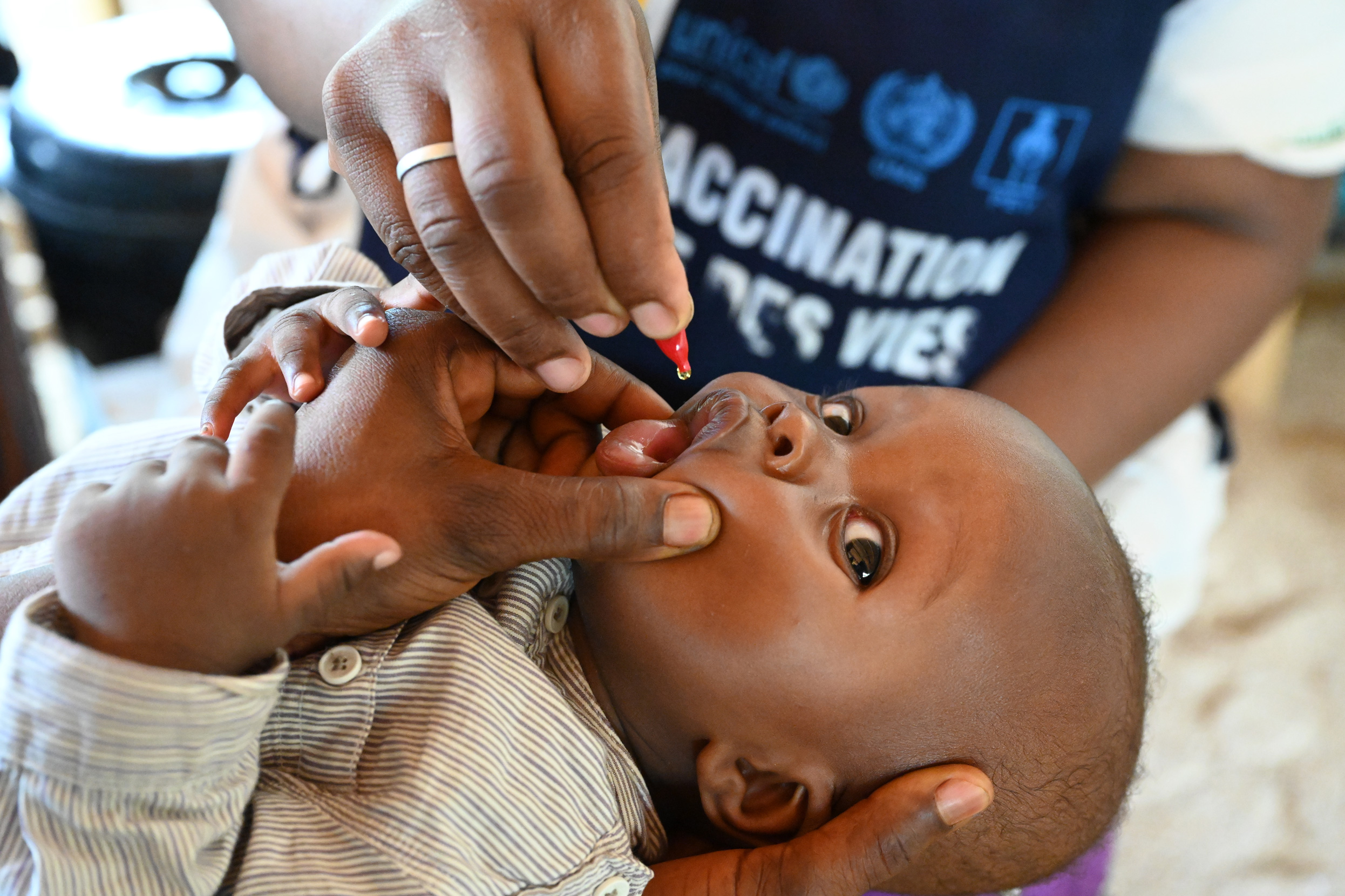
Malnutrition is one of Nigeria’s intractable public-health challenges. More than 30% of children in the country under the age of five years lack the vitamin required for a healthy immune system, leading to stalled growth and eventual death.
Studies show that vitamin A deficiency undermines immunity and significantly increases a child’s risk of serious illness or death from common infections such as measles and diarrhoea
High-dose vitamin A supplementation is an effective, low-cost intervention proven to reduce all-cause child mortality by 12–24%.
Overstretched primary health centres and the irregular supply of supplements complicate the dynamic, making it difficult for families to access basic preventive services.
UNICEF’s recent donation of 1.5 million doses of vitamin A in Bauchi aims to fill in this nutritional crisis.
The agency has also provided 47,000 bottles of Multiple Micronutrient Supplements, or MMS, for pregnant women to deal with the prevalent micronutrient deficiencies, which also impact maternal health and foetal development.
Caregivers can access vitamin A supplementation, deworming drugs, nutrition screening and counselling in a single visit — strengthening routine primary healthcare and expanding preventive services for children aged 0–59 months.
In Nigeria, such a campaign to provide micronutrient support through UNICEF and other organisations has been incorporated into health outreach programmes in communities across the country.
States such as Kano and Adamawa offer similar vitamin A supplementation weeks, thus making a contribution to the decrease in child illnesses that can be prevented.
But this intervention is not without challenges. The main health facilities face challenges related to human resource capacity, supply chain and rural access.
Awareness is limited, contributing to slow adoption because caregivers tend to underestimate the value of micronutrients.
Also, without broader interventions, including improved diets, sanitation and routine PHC strengthening, supplementation gains can be difficult to sustain.
The Bauchi Vitamin A and MMS project demonstrates how targeted assistance leads to a difference in ensuring that millions of Nigerian kids are protected against illnesses that can be prevented.
The project is well timed and grounded in science. However, sustaining this progress requires improved PHC systems with steady supplies and a better public understanding.
Summary not available at this time.