



The lack of cold-chain infrastructure has for a long time threatened food security in Nigeria. Post-harvest losses, particularly in perishable crops, have weakened agricultural productivity and national food supply systems.
This gap in preservation has driven price volatility, reduced farmer income and limited the country’s ability to participate meaningfully in regional and global markets.
NovaChill, a joint venture between Mystrose Agro Commodities Limited and the Ministry of Finance Incorporated, represents one of the more ambitious attempts to close Nigeria’s cold-storage deficit.
The proposed rollout, starting with a large-scale onion storage hub in Sokoto and followed later by another advanced facility in the South-South, signals a shift away from small-scale interventions towards a coordinated, nationwide cold-chain network.
The benefits, which include reduction of losses, income stability for farmers and improved export potential, speak directly to long-standing bottlenecks in Nigeria’s perishable food value chain.
This development becomes a part of other ongoing interventions across the country, all focusing on different aspects of the post-harvest challenge.
Organisations such as the Nigerian Stored Products Research Institute (NSPRI) have advocated low-cost, locally adaptable storage technologies and solar-powered systems for smallholder farmers for a long time. Their small-scale interventions have shown the worth of decentralised preservation tools at the village level.
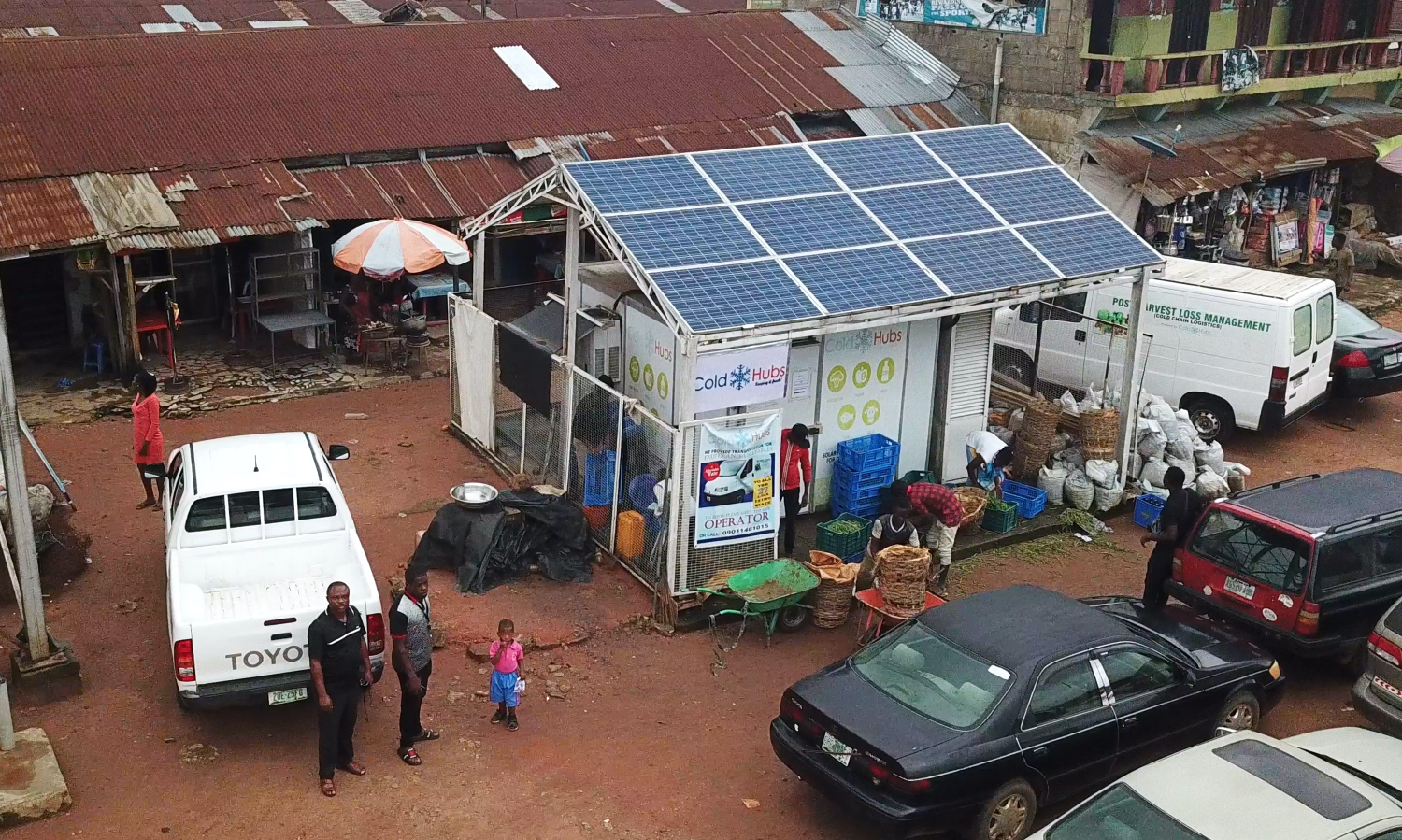
In the private sector, companies like ColdHubs have installed solar-powered walk-in refrigeration units across markets and farming clusters, offering pay-as-you-store models that let small traders and farmers reduce spoilage without heavy capital investment.
Such hubs have demonstrated a measurable impact in prolonging the shelf life of vegetables and fruits, mainly for women-led microenterprises.
Major food processors and retailers have also started investing in more dependable cold-chain logistics. Some supermarket chains and agro-processing companies operate refrigerated trucks and controlled-temperature warehouses that can give protection to the produce from farm to retail.
Though concentrated in urban centres, these systems illustrate the growing commercial recognition of cold-chain infrastructure as a business necessity.
Similarly, hospitals and pharmaceutical organisations have helped to strengthen temperature-controlled storage, especially for vaccines and medical supplies.
Though these usually are designed for health services, their work in the stabilisation of cold-storage technologies, through solar backup systems among other things, has encouraged broader use across other sectors such as agriculture.
Notwithstanding these efforts, Nigeria’s cold chain remains largely underdeveloped, and coverage pales in comparison with national need.
This makes large-scale interventions like NovaChill’s particularly significant. By pursuing a more networked approach rather than isolated facilities, the initiative signals a shift towards systemic solutions capable of reducing nationwide food waste, strengthening supply chains and moving the country closer to sustainable food security.
With more public and private actors pushing into cold-chain development, Nigeria may finally begin to bridge one of the most consequential gaps in its agricultural sector.
But the real test lies ahead: will such innovations reach farmers at scale and be integrated seamlessly with transportation, markets and processing industries?
Summary not available at this time.